An exclusive 4-part documentary chronicling the creative process of the legendary Japanese filmmaker. He is shown as a passionate artisan, a steadfast trailblazer, and a father butting heads with his son.
Each episode of this documentary series focuses on a different place of interest. One hundred cameras are installed and left to record, showcasing the habits and behavior of the people they capture. Without the presence of a camera crew, the subjects gradually begin to share glimpses into their lives, and we receive an unobstructed window into personal conversations and real-life events.
Osaka's Midosuji Avenue, and the subway that runs beneath it, have been key to the city's development. We look at 12 groundbreaking buildings that embody a dynamic period in Osaka's history.
Witness the catastrophic turmoil caused by the 2011 Great East Japan Earthquake and tsunami in a two-part documentary covering the initial three days and the first year of the aftermath.
Hakamada Iwao spent nearly fifty years on death row, in constant fear of execution. His sister Hideko devoted her life to proving his innocence. We follow their long battle for freedom.
New Year's Day 2024. Japan's Noto Peninsula was hit by a huge earthquake and tsunami. Many lives were lost. One year later, as they look to the future, survivors share stories of courage and grief.
Globe-trotting wildlife photographer and filmmaker, Iwago Mitsuaki, offers the best of a vast collection of cat footage he took in Japan. On this unique trip around the country, discover the lesser-known charms and customs of regions through the eyes of cats!
A Century on Film is a landmark documentary series produced by NHK, widely acclaimed in Japan for its powerful, archive-based storytelling. In this new four-part series, original 35mm film footage of World War II has been collected from archives around the world and restored in ultra-high definition 8K. More than 80 years after they were recorded, these images reveal the realities of war with a sharpness never before possible. With newly restored, astonishing detail, this series explores the leaders and citizens, the turning points, and the human cost of World War II, bringing history vividly into the present day.
Forests cover close to 70 percent of Japan's land area. Japan's climate varies significantly from north to south, making it home to diverse forests. These forests have been an intrinsic part of Japanese culture since time immemorial.
Yoshioka Hitoshi was a historian of science who sought a strictly rational approach to nuclear energy in Japan. His extensive archives detail previously undocumented aspects of Japanese policymaking.
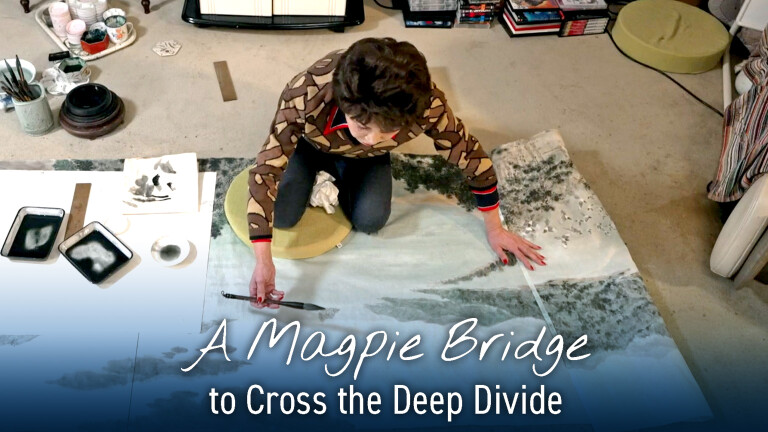
Fu Yi-yao, world-renowned Chinese ink painter and Japan resident, is commissioned by Taiwan to create a work imbued with the power of art as tensions with China rise. What message does it convey?
NHK has unearthed tapes of Oshima Hiroshi, twice-ambassador to Germany, who worked behind the scenes to push Japan to join the Nazis alliance. We investigate how he misled Japan into war.
This program focuses on foreign residents in Japan who tackle the issues the country faces, driven by their love for their community of adoption and their ability to put themselves in Japanese shoes.
The surviving curator of a museum, damaged in the March 2011 earthquake, unearths and restores over 400,000 displays from the debris. When the museum reopens, another miracle awaits.
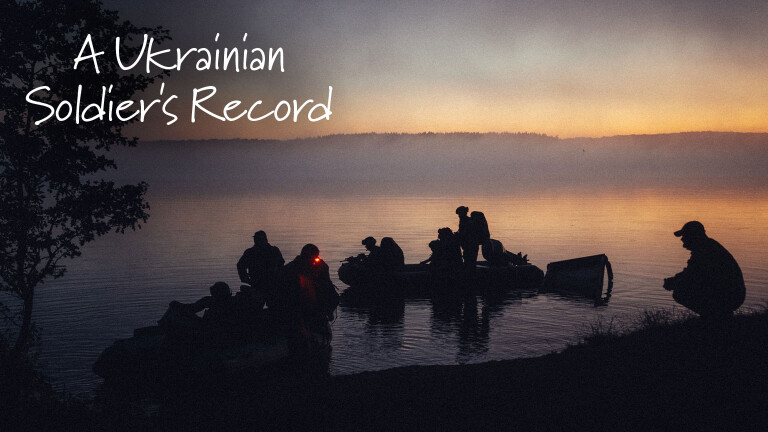
Originally a filmmaker, Vlad had joined the Ukrainian army, filming while fighting. We first met him in 2022, shortly after the beginning of the invasion.This is a record of war, told through the eyes of a soldier on the Ukrainian front lines.
To American photojournalist Regina Boone, her Japanese grandfather was an enigma. He vanished on the day of the Pearl Harbor attack never to return home. We follow her quest to search for answers.
In November 2025, the Summer Deaflympic Games will be held in Tokyo. We meet some of the athletes who will take part, and look at local efforts toward inclusivity for people with hearing disabilities.
Young engineers from around the world showcase their handmade robots at ABU Robocon, demonstrating their passion and technological skills in this unique competition.
The ABU TV Song Festival, held in conjunction with the annual general assembly of the ABU (Asia-Pacific Broadcasting Union), the world's largest broadcasting union, is aimed at fostering international exchange through music and culture. On September 13, 2025, popular artists from 9 Asian countries and regions gathered in Ulaanbaatar, Mongolia, the host city of this ABU general assembly, and gave distinctly unique performances.
It was recently revealed that a centuries-old fusuma painting in Japan is part of the same series as panels at the British Museum. 8K graphics uncover the hidden techniques concealed within them.
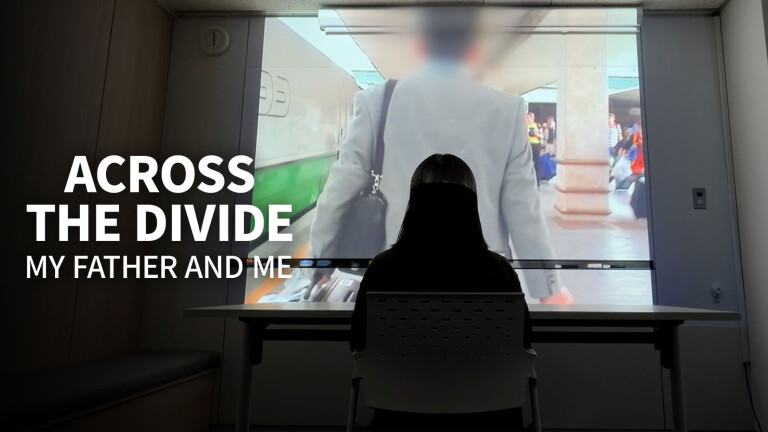
An NHK director explores a divide with her own father, whose views toward minorities have changed. Through dialogue, she seeks to understand how and why a gap between loved ones can be bridged.
Learn how to make the most of your Japanese skills. Watch our drama that features useful communication strategies, our snappy videos about onomatopoeia, and our documentaries on workers from abroad in various parts of Japan.
The Copper Belt in south-central Africa is home to vast unexplored copper reserves. The US, China and Japan are vying to establish presences there to secure this critical industrial resource.
In a wintry river, ice crystals come together, forming a road of white. We'll show you spectacular, never-before-seen footage of nature and ice. But is global warming changing this natural wonder?
A scenic travel program that follows trail runners on a 100-mile race around Mt. Fuji. Discover every angle of the famous peak, and enjoy the stunning forests and lakes of the region.
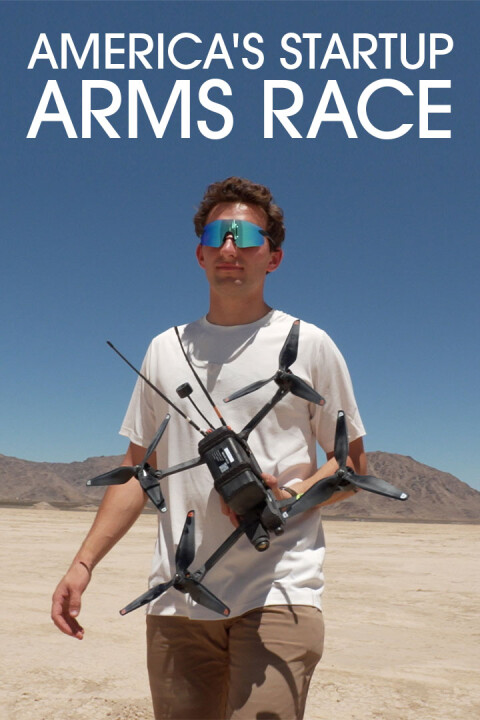
Young entrepreneurs are flooding into the US defense sector. Driven by a surge of capital flowing under the banner of national security, a new wave of innovation is reshaping the modern arms race.
The herders of Thoe Village uphold a long tradition of grazing their sheep at the distant Island of God, but the trek there requires them to guide 2,000 of the animals across a vast frozen lake.
Neve Shalom / Wahat Al-Salam in central Israel was founded 50 years ago as a place for Arabs and Jews to live in harmony. Explore the future of coexistence as divisions deepen after October 7, 2023.
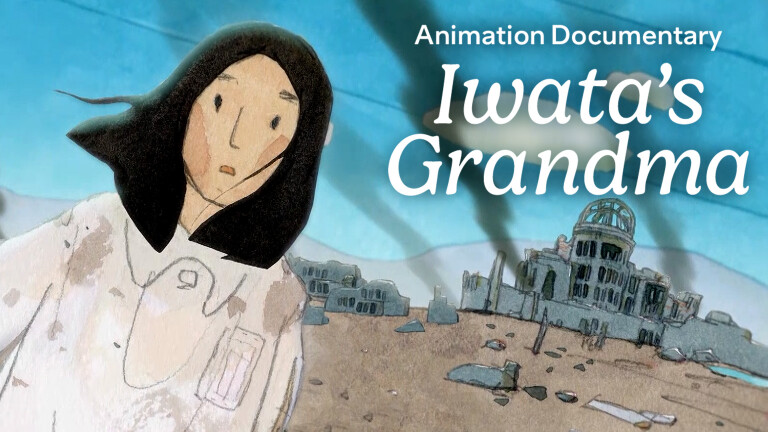
Why does Iwata's Grandma refuse to be in photos? This animation documentary is based on a picture book about the atomic bomb tragedy but conveys kindness and hope rather than fear and anxiety.
A series of short animation works focusing on the Para-sport with the aim of delivering the appeal of the Paralympic Games and sport for athletes with an impairment.
This new program digs deep into what overseas fans loved about the anime released this year and how the translators of one anime, Akane-banashi, approached its traditionally Japanese subject matter.
The size of the Japanese animation market reached over 3.35 trillion yen in 2023. More than half of that amount came from overseas sales. The manga market is also expanding, reaching 693.7 billion yen in 2023. Those unique visuals and stories from Japan have struck a chord with fans around the world and are growing into a huge industry. ANIME MANGA EXPLOSION will actively feature major works that are highly recognized by overseas fans and reveal the secrets of Japanese anime and manga creation through the series.
Join our Anime Pilgrims on a journey to where fiction meets reality. The real-life settings of iconic anime productions offer a glimpse into Japan's deep culture, history, and hidden charms.
From the tragedy of Japan Airlines Flight 123 to the return of Picasso's "Guernica" to its homeland, revisit milestones in modern history through firsthand accounts of those who played a crucial role in some of the most pivotal moments of our past.
This summer,21 Ukrainian dancers from Kyiv's National Ballet toured 16 cities across Japan. Most sought refuge in Europe but the tour gave them a chance to reunite and dance in honor of their country.
For five years, soccer superstar Andres Iniesta lived in Kobe while playing for the local team, Vissel Kobe. Explore the city of Kobe and meet the people he came to love during his time here.
22 kids who've struggled with absenteeism attend a new diverse learning school. We spend a year with students and teachers exploring better approaches to studying, ending with a graduation ceremony.
Go behind the scenes at Japan's most popular and intriguing places. Discover world-class expertise and advanced technology, driven by imagination, dedication, and attention to detail.
Delve into the heart of Japan with Peter Barakan, a seasoned British broadcaster who has lived in Japan for fifty years. Join him on a captivating journey as he unveils the essence of Japan to global audiences through his travels around the country and intimate encounters with local people, history and culture. Along the way, Barakan discovers universal truths that illuminate our path into the future.
This upbeat program combines business and economic news with in-depth feature stories that give you a closer look at the latest trends within Japan and around the world.
As famine spreads in Gaza and living conditions deteriorate, many Israeli citizens turn their attention away. This documentary probes the reasons and ramifications.
A 21-year-old Ukrainian whose life was drastically changed by the Russian invasion is rapidly progressing in Japanese professional sumo. In the 2025 summer tournament, he takes on the top wrestlers…
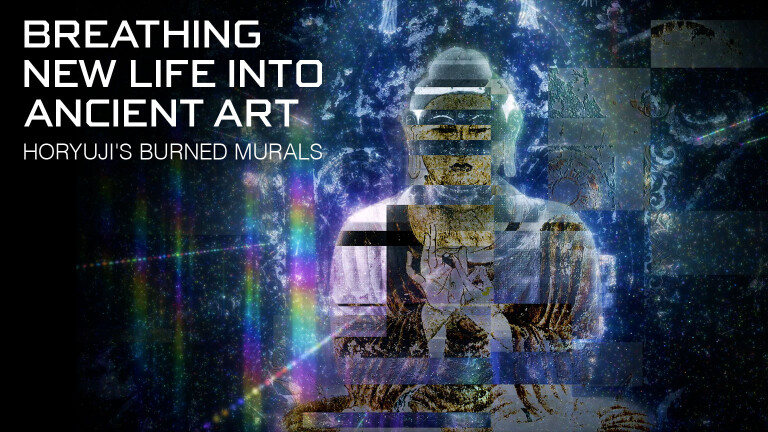
Horyuji's 1,300-year-old murals were devastated by fire. Using records from the 1930s and cutting-edge technology, experts are digitally restoring one of them to its original, astonishing glory.
NHK WORLD-JAPAN broadcasts English-language versions of outstanding programs produced by Japan's private broadcasting stations in a series called Broadcasters' Eye.
Japan's legendary martial arts―Budo. Their origins can be traced to the warrior traditions of the samurai. These martial arts have endured, existing in various forms to this day.
ITER is an international attempt to meet humanity's energy needs by harnessing nuclear fusion. We take you within the ITER project to see how close the technology is to becoming a reality.
Carbon farming, or regenerative agriculture, is a powerful solution to climate change! We visit experts, Gabe Brown in the US and farmers in Japan, to explore the hidden world of the soil ecosystem.
See how Japan's oldest establishments have survived and thrived for over 100 years. Behind these "century signboards" are stories of hardship and the skillful blending of tradition with innovation.
Japanese gardens have long captivated people around the world. This program follows the master gardeners chasing perfection at the Adachi Museum of Art and the Katsura Imperial Villa.
As economic growth in China stagnates, young people travel to Africa pursuing new opportunities. They seek futures in Nigeria, which boasts the highest population and GDP on the continent.
Chatroom Japan is a platform for NHK WORLD-JAPAN to engage with international residents in Japan. The public broadcaster aims to develop a new relationship with these viewers and, together, explore ways to make their lives better.
Amidst an economic slowdown, China's freelance truck drivers risk their very lives to earn money traversing the road to Tibet, feared as the most dangerous in the country.
Join our explorers as they pursue the cinematic beauty of Japan. Kyle Card hikes the newly designated long trail around majestic Mt. Fuji and discovers its secrets.
In the era of global boiling, the key is to take measures in cities with large population concentrations. This two-part series looks at climate tech from Japan, which is essential to solving the climate crisis.
American artist Sarah Brayer, known for unique artworks using Japanese washi paper, has been given the chance to dedicate a piece at an old Kyoto temple. Watch as her spiritual journey begins.
Culture Crossroads comprises several regular programs with the theme of creating a multicultural society. They answer questions about Japan from foreign viewers, look at international exchange programs and give tips on disaster preparedness.
The National Ballet of Ukraine performed a premiere firstly themed on 'war' in 2024. This is about the behind-the-scenes struggles faced by a choreographer active in Russia and a dancer bearing darkness.
Kawate Haruo knew that his father, Masao, a second-generation Japanese American, returned to Japan after World War II. That, however, was about all he knew of it. After Masao's death, Haruo found a letter to an American attorney, Wayne Collins, seeking restoration of his American citizenship. Haruo met with Collins' son and with a Japanese American whose father chose to stay in the U.S. He discovered that Masao had suffered especially harsh treatment during the war, leading him to renounce his American citizenship. Follow along as Haruo pieces together the facts of his father's life, 80 years after the attack on Pearl Harbor.
Thirteen years since the Fukushima Daiichi nuclear accident, the government's plan to decommission the plant is at a crossroads. We take a close look at the efforts to secure Fukushima's future.
A cutting-edge interview program from NHK WORLD-JAPAN's production team in New York. Covers the hot issue: from politics, economy, social matters, international situation or cultural topics.
You often see demolition work around town. What's really happening behind those soundproof sheets? We go inside a demolition site to uncover the surprising skills of the craftsmen at work.
Japanese design is world famous, but that's not because of expensive, stylish or modern products. It's because excellent design exists within the tools and habits of everyday life. In this 10-part series, leading creators visit different parts of the country to hear these unfamiliar stories, revealing rich and complex insights.
A Buddhist nun lives in a mountain temple, in tune with the changing seasons and preparing vegetarian dishes for visitors from near and far. Together, they celebrate the simple things in life.
"Digital Eye" is an investigative journalism program making full use of geospatial and open source data to seek the truth behind important social issues. The program will use satellite images, social-media analysis and other advanced investigative tools to take an in-depth look at issues.
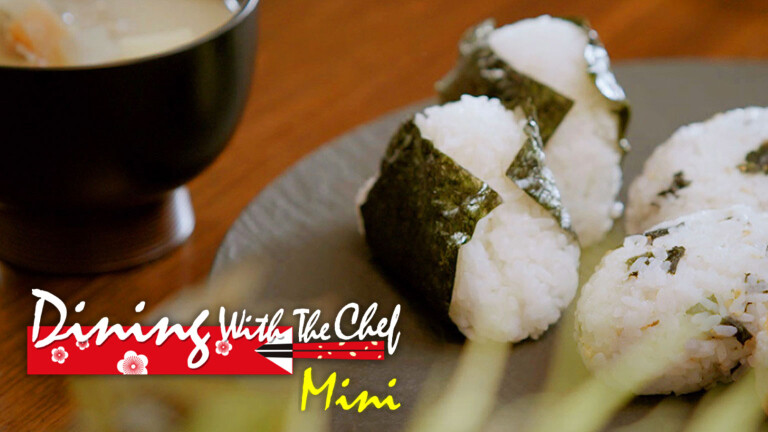
Dining with the Chef Mini introduces the techniques, ingredients and harmony of Japanese food recipes in just 5 minutes. Yu Hayami cooks alongside master chef Tatsuo Saito, while co-host Patrick Harlan cooks with chef Rika Yukimasa, to show viewers how to prepare delicious Japanese dishes at home.
Exclusive video, sound recordings and patient records from a psychiatric hospital reveal rampant abuse and illegal restraints. Over a 10-year period, 78% of nearly 1,500 patients were "discharged by death."
Ten rookie manga creators from around the world have assembled in a small town in southwestern Japan. We follow their daily struggle to become world-class manga creators.
Tokyo: where both tradition and the latest trends coexist. Join us on a journey to discover the real Tokyo as we dive into its historic old towns and encounter many fun surprises along the way.
It's estimated over a million Japanese live as "hikikomori," recluses totally withdrawn from society. As the parents they depend on age, many now face a dire situation, left alone and unable to cope.
When traveling in Japan for the first time, what phrases do you need? Each 3-minute episode provides simple expressions you can put to use as soon as you land. The program also offers tips for getting around the country. Remember the phrases and make your trip more fun. Easy Travel Japanese is based on one of the most popular programs on Radio Japan, "Easy Japanese".
For 50 years, a father has produced cheap eggs. His son uses a more humane method, which raises the cost to nearly $1 per egg. An egg-loving family struggles to pass the baton to the next generation.
"Ekiben" are lunch boxes sold at train stations enjoyed during train journeys which are filled with the charm of each region of Japan! Let's embark on a journey to encounter a selection of lunch boxes from all over Japan!
South Korea's birthrate is falling and its population is aging. Amidst the country's struggling social security system, some elderly people in Seoul collect recyclable materials to survive.
How can we reduce our burden on the global environment? We'll share some simple, practical ideas about little things each of us can do right now to help create a healthier society.
The Tokyo National Museum's vast collection includes 89 National Treasures. In 2022, it marked 150 years with a special exhibition. Explore everything from ancient artefacts to hi-tech exhibits!
In conversation with... Japan expert Robert Campbell sits down with individuals from all walks of life whose drive and perspectives are changing Japan.
As claims of "fake news" spread, PolitiFact, one of the most respected fact-checkers in the U.S., examines statements coming out of Washington, offering an inside look at journalism in search of truth.
As battles with Russia persist in an eastern Ukrainian town, electricity is vital. Through power grid workers risking their lives to fix the grid, we depict people losing their homeland to war.
Physical education is about nurturing one's physical abilities to keep fit and enjoy a lifetime of sports. In other words, phys ed makes life more fun! The super cyborg, Fizz Edward was created by a genius doctor who forgot to program him with phys ed abilities. With "Pro Tips" from top athletes, Fizz Ed learns "Improvement Points" so he can enhance his physical ability.
80 years ago, a Japanese immigrant to the US was shot dead in a wartime internment camp. A Japanese American journalist's research leads to a surprising discovery about his death.
In 2024, Wakakuwa District of Wajima City was cut off from the rest of the Noto region by a powerful earthquake and torrential rains. Residents faced a difficult decision: to stay or leave.
After a devastating earthquake, lacquerware artisans in Wajima struggle to recover. But they are determined to keep a 600-year-old tradition alive by reaffirming their bond in the creation of a bowl.
A unique time-lapse photography project. Shot by pros and non-pros from around the world, on the transience of nature, celestial phenomena, cityscapes and each single moment of everyday life. Submit your entry for a chance to be selected. Even an idea, could turn into something amazing. Enter today! https://www.nhk.or.jp/bs4k8k/eng/special/timescape/
Film, pop music, local fads. Subculture stands at the fringes, where dreams meet reality. Welcome to Fringe Histories, a documentary series that traces the shifting mood of society and pop culture.
FRONTRUNNERS highlights professionals at the very forefront of their field. We showcase their amazing work, discover their motivations, and learn about the challenges they face in the future.
After the 2011 Fukushima nuclear accident, Matsumura Naoto's hometown was evacuated. But he stayed and began to seek ways to restore a sense of community. This series follows his progress.
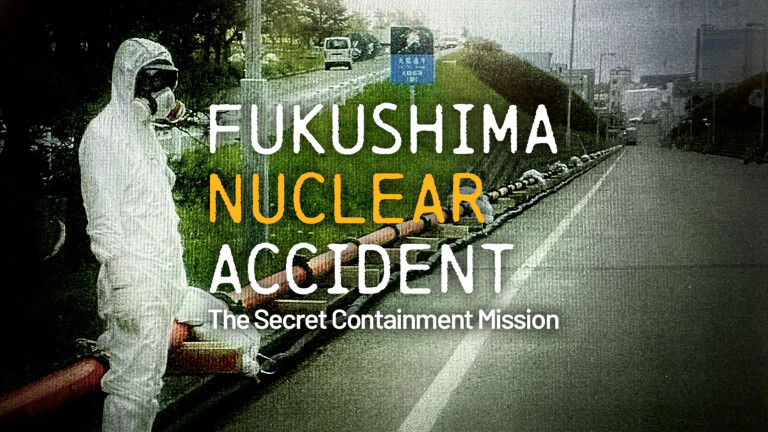
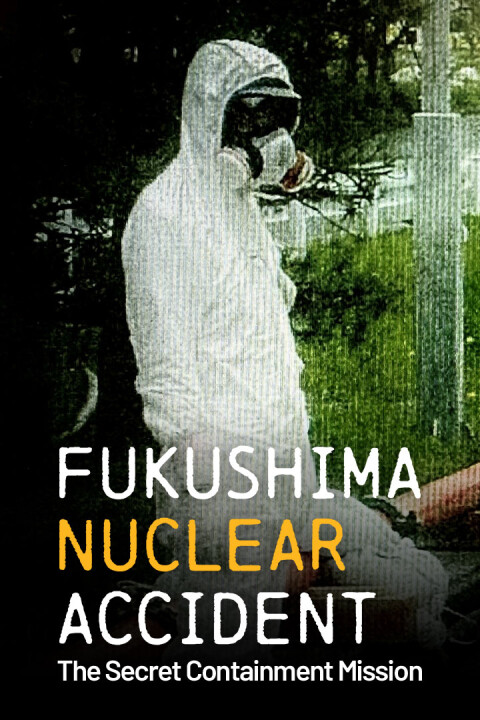
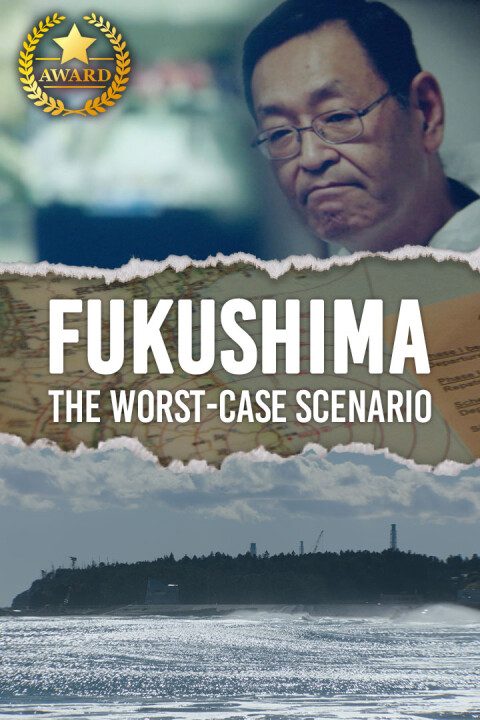
March 2011. The worst-case scenario for the Fukushima Daiichi nuclear accident involved the evacuation of all of eastern Japan. But a secret plan to contain the crisis was being prepared.
In the worst possible outcome of the nuclear accident, what situation would Japan face? In that case, what should be done? Immediately after the accident at Tokyo Electric Power Company's Fukushima Dai-ichi nuclear power plant, the government, the US military and the Self-Defense Forces each began to secretly develop worst-case scenarios. For this program, we interviewed more than 100 government and industry officials, including then-prime minister Kan Naoto and then-defense minister Kitazawa Toshimi. The question that emerged in stark relief was: Who would be called upon to risk their lives to stop the runaway nuclear reactors?
As growth in the game industry accelerates, game makers pursue increased global attention through new strategies. Japanese game companies, once undisputed champions, now face competition to survive.
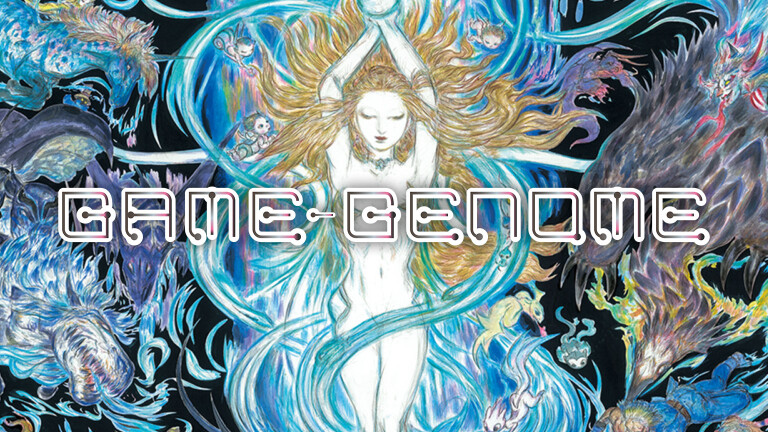
Treating video games as a cultural medium, GAME-GENOME takes an in-depth look at influential titles from Japan and around the world. The series explores their lasting appeal, the creative vision behind them, and the impact they have had on players across generations.
Leaving a popular Tokyo restaurant, Otsuka Kenichi and his wife Keiko relocated to Hokkaido Prefecture six years ago. There, they offer enticing, unique dishes with local flavors found nowhere else.
GRAND SUMO Legends sheds new light on many great rikishi who shaped sumo history ... their techniques, records, fights and even foreign challengers. Discover new attractions of GRAND SUMO through NHK archive footage.
Watch the toughest sumo wrestlers clash in the ring live on NHK WORLD-JAPAN! GRAND SUMO LIVE offers live coverage of days 1, 8, 14 and 15—the final day—of every GRAND SUMO tournament. Don't miss it! (Live coverage starts at 5:10 p.m. (JST) on all days except Day 15, which starts from 4:30 p.m. (JST)
NHK WORLD-JAPAN will broadcast Sumo Review. We will look back on the year 2024, a year in which many records were broken. We will also look ahead the GRAND SUMO of 2025.
During the final days of World War II, a fierce battle between Japan and the United States took place in Manila, resulting in 100,000 civilian casualties. Elpidio Quirino, who would later become President of the Philippines, lost his wife and three of his children. He hated the Japanese. Yet, eight years later, as President he decided to grant pardons to Japanese war criminals, sending them home to Japan. Why did Quirino do this against the strong wave of opposition? Through interviews with his surviving family and other witnesses of the battle, we document Quirino's inner conflict, and the division between hatred and forgiveness shown by the people of the Philippines.
What's on NHK WORLD-JAPAN. Showcasing various programs and activities of NHK WORLD-JAPAN which provides the latest information on Japan and Asia to the global audience.
In Uda, discover Japan's oldest private medicinal herb garden, where the natural landscape from 300 years ago is preserved in a botanical time capsule, a sanctuary of the local culture and history.
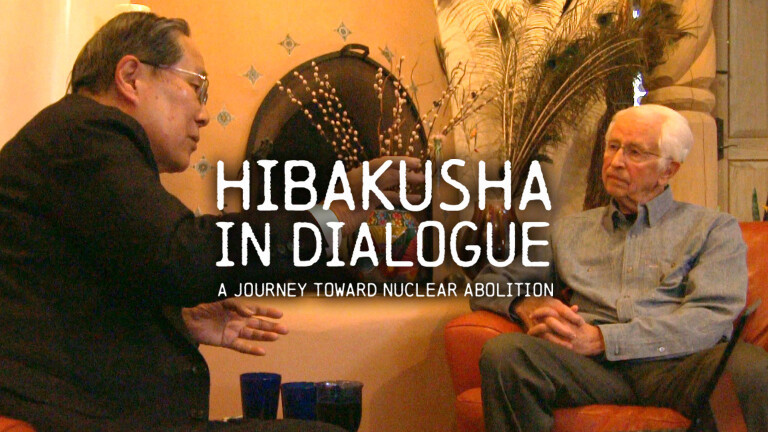
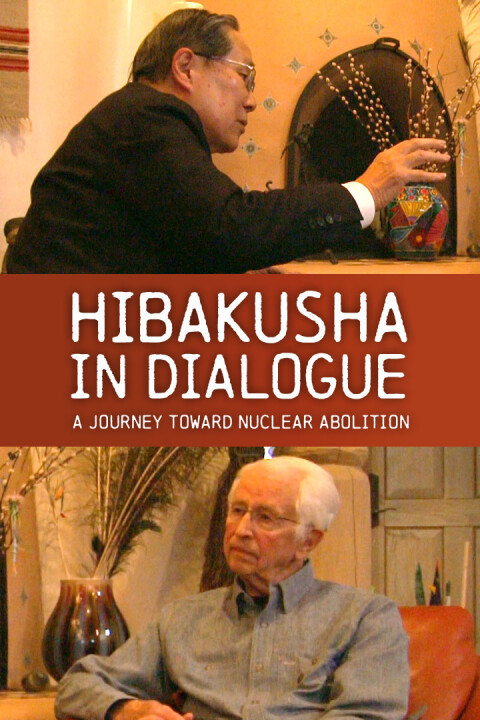
A group of atomic bomb survivors travel to the United States in pursuit of a path to nuclear abolition. Through dialogue, they share their stories and gain insight into public perception in the US.
Five young men from around Japan, once withdrawn from society - a phenomenon known as hikikomori - embark on a 1,200-kilometer pilgrimage around the island of Shikoku, on a journey of self-discovery.
Global attention turns to 14-year-old Japanese violinist Himari. Follow the young prodigy after her world debut as she performs with many of the world's finest orchestras.
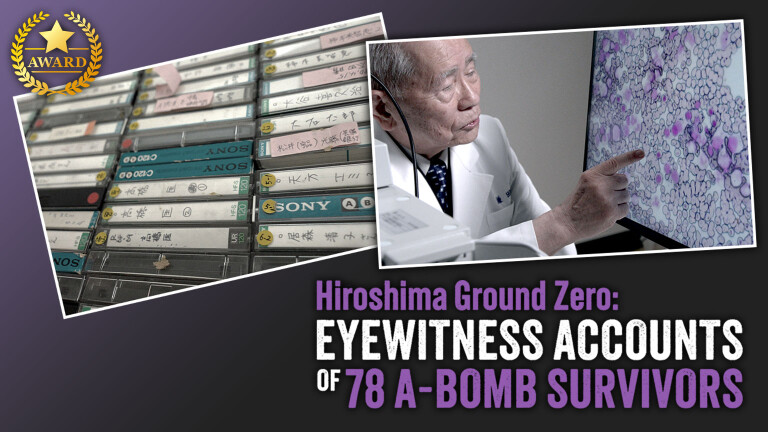
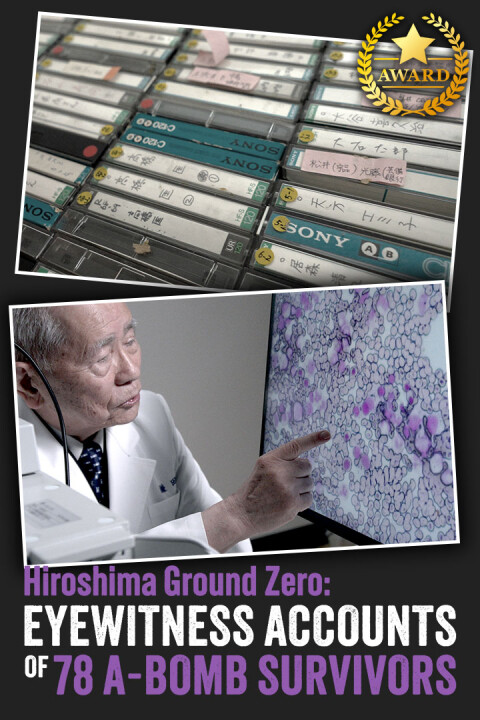
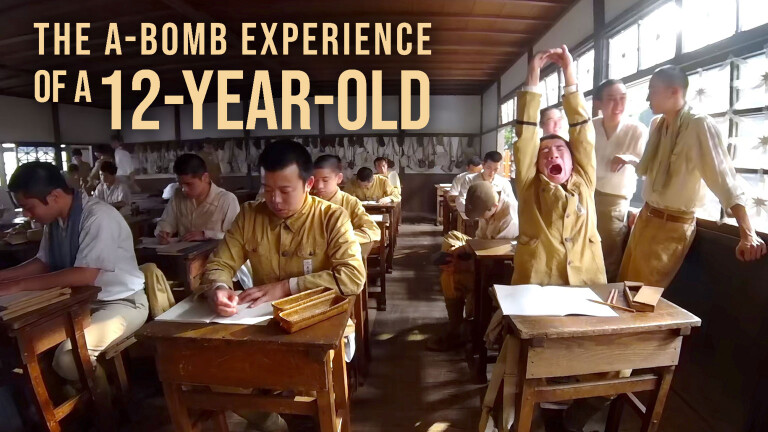
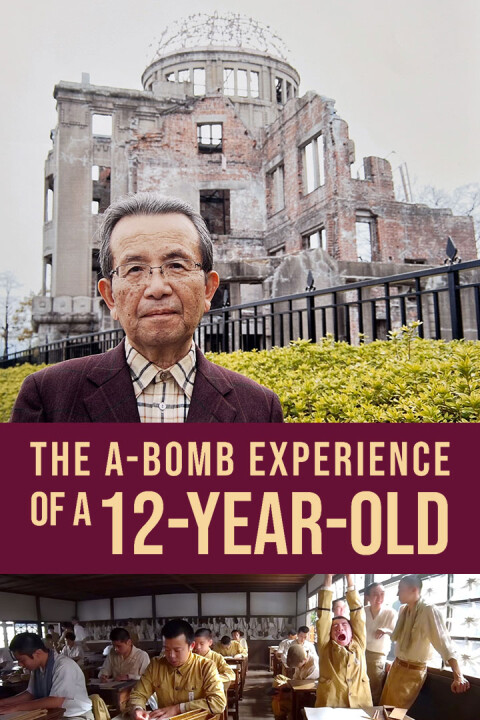
When the atomic bomb fell on Hiroshima, 78 people who were within 500 meters of the hypocenter survived. We visualize what happened at ground zero that day based on rare recordings of eyewitnesses.
Trees that survived the A-bomb have inspired many in Hiroshima. 159 such trees are still alive, but some are nearing their end. We follow a tree surgeon and others who love and care for them.
The Hiroshima Red Cross Hospital was one of the only hospitals still standing after the dropping of the atomic bomb. Newly uncovered files shed light on the ensuing weeks and months at the hospital.
One of the most appealing features of Japan's national road network is the various Michinoeki, literally way stations, that provide a place for motorists to rest, dine and shop. They offer information on the locality and restaurants with regional specialties, and often sell local crafts and delicacies for travelers to take home. A stop at one or more of these spots helps to make any road trip in Japan unforgettable.
A mobile vendor brings food to people who have no access to shops. A seafood merchant delivers Hokuriku fish to Japan and the world. We follow these local heroes as they work to help their community.
In Sri Lanka, elephants are both feared and revered. In 2024, around 150 people and 400 elephants died in increasingly frequent encounters, which can force people to make life-altering decisions.
This heartwarming animated series features five-year-old Mee. "Why do we wear underpants?" "Why doesn't my friend want to be tickled?" Everyday questions spark Mee's imagination, leading to wonderful thought experiments that help Mee learn more about Mee's self! Through gender-neutral storytelling and universal themes about the self, one's body, and life, the series nurtures children's self-esteem and gives them tools for expressing their feelings while respecting others.
This is the story of a doctor in a seaside town in central Japan. For four years, we documented his efforts to support the town's elderly residents as its population dwindles and ages.
In November 2023, Muto Masatane and his wife Yuko welcomed a healthy baby girl. He lives with incurable ALS. We follow the couple navigating the challenges of parenting with love and determination.
Keiko Ogura, age 85, has spent her life talking to the world about her experiences as an A-bomb victim in Hiroshima. When she talks with Americans in a small college town, what does she discover?
The entire Earth is affected by climate change, occurring with a greater speed and scale than ever before. This program uses scientific data and the latest findings to raise awareness on its impact.
Tanizaki Junichiro's "In Praise of Shadows" elucidates Japanese aesthetics in terms of light and dark. Using advanced imaging technology, this program depicts the world of subtle beauty that he loved.
The harm left in the wake of Agent Orange still impacts Vietnam's environment and its people. We follow filmmaker Masako Sakata who has spent two decades documenting the victims of this toxic legacy.
Vasfije Krasniqi Goodman was the first woman to speak publicly about sexual violence during the Kosovo War. This documentary portrays the survivors' struggles and pursuit of justice 25 years later.
Nearly a year after a devastating Los Angeles wildfire, recovery has not been equal. Survivors face disaster capitalism and hard choices, while fighting to protect their community and their future.
An exclusive look inside Toyota, the world's top automaker. How will Chairman Toyoda Akio and engineers determine the future of this Japanese manufacturing giant?
First graders in a Tokyo public elementary school are presented with a challenge for the final semester: performing "Ode to Joy" at the ceremony for the new incoming first graders. Ayame, who often struggles to keep up with the group, is determined to play a major part — the big drum. We follow Ayame as she experiences shattering blows and joyous victories in the audition process. But to rehearse for the big performance, Ayame must quickly learn to deal with newfound pressure and responsibility. When it comes time to perform in the packed auditorium, will she prevail? Instruments of a Beating Heart intimately examines the Japanese educational system's tenuous balance between self-sacrifice and human growth as it teaches the next generation to become part of Japanese society.
Sculptor Isamu Noguchi's Hiroshima cenotaph was never built. The program depicts the life and thoughts of an artist who struggled to bridge the gap between his two homelands, Japan and America.
Experience Japanese music in all its diversity! With unmissable performances and interviews with artists in every imaginable genre, J-MELO is your invitation to immerse yourself in the sounds of Japan.
J-POP—the vibrant world of Japanese pop music—is rapidly gaining global momentum. In 2025, Japan launched its first major international music awards, MUSIC AWARDS JAPAN, attracting worldwide attention. This past June, the second edition took place in Tokyo and was broadcast live on NHK, creating significant buzz. This program highlights artists and works making an impact on the global stage, featuring coverage of J-POP live events overseas and insights into how the music is received around the world—capturing the genre's current pulse. Hosted by Kento Nakajima, a two-time official ambassador for MAJ, and Morishita Erika of NHK WORLD-JAPAN.
"Japan Delish" is a banquet of foods from overseas adopted by the Japanese. From fare steeped in tradition to its many modern variations, uncover the delicious histories at the heart of every dish.
This program takes you on an aerial journey across 21st century Japan. Enjoy the bird's-eye view of unique landscapes as well as intimate portraits of the people who inhabit the archipelago.
Dive into Japan's current social landscape through a wide range of topics including initiatives tackling global challenges, domestic issues and emerging trends.
This program introduces sports that can be enjoyed alone and at safe social distancing during Covid in Japan. See through the eyes of MC Harry Sugiyama in a virtual experience as he learns the rules and charms of each activity from professionals.
It has been 100 years since Japanese broadcasters began telling the country's story. What ideals have the Japanese people pursued, and how have they overcome difficulty? This documentary series, Japan's Ongoing Challenges, explores the efforts of determined individuals on the frontlines of Japan's most pressing issues. It examines their struggle to help move society forward and how the vision they have created is being passed on like a baton to shape a better future.
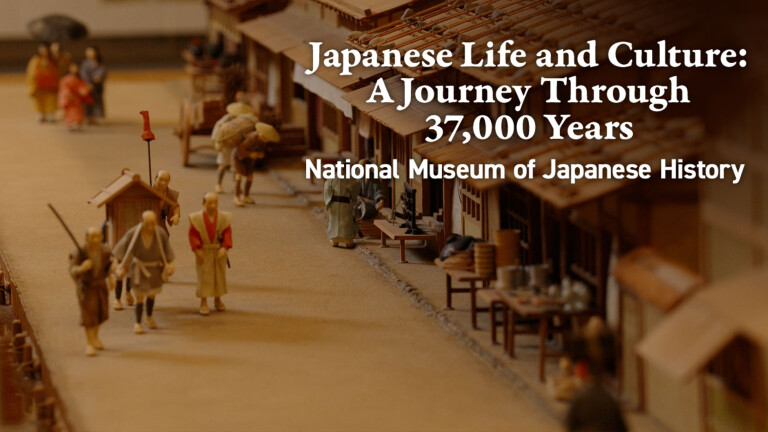
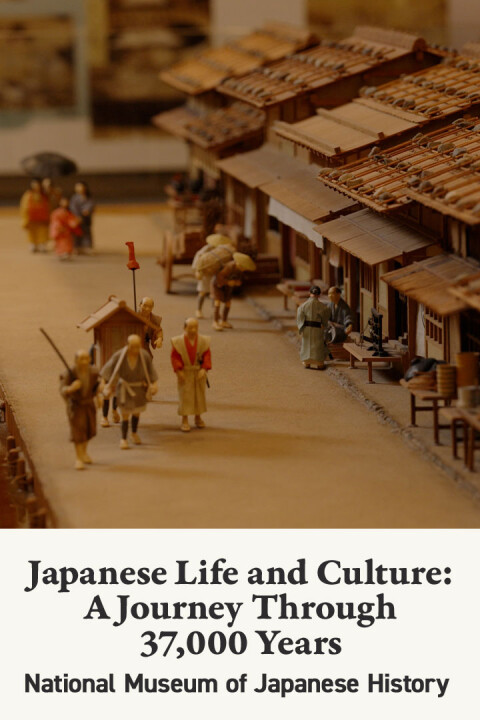
The National Museum of Japanese History boasts a vast collection that traces everyday life and culture through Japan's history.Andy and Shaula will travel through time to explore life, culture, and the wisdom and spirituality of Japan.
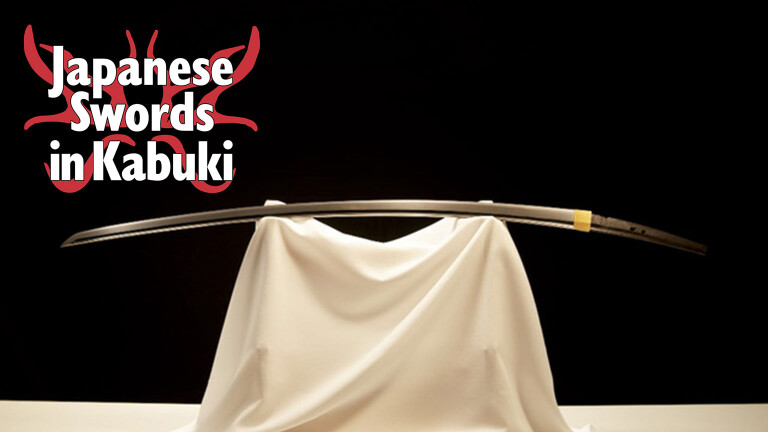
Discover what kabuki tells us about Japanese attitudes to swords, which feature in many legends and transcend the realm of weapons. Within each awe-inspiring Japanese sword, they say, dwells a spirit.
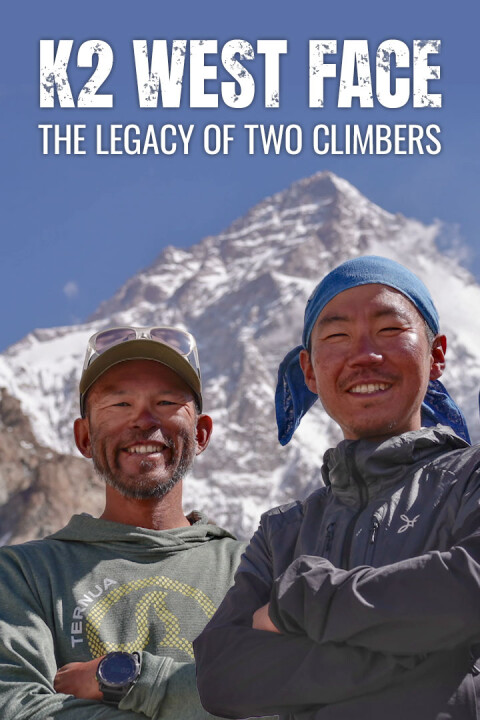
Two renowned Japanese alpinists died on K2 in July 2024. Why did they risk everything on Earth's second-highest peak? Their own footage reveals the courage and legacy behind the climb.
In Kawasaki City, Kanagawa Prefecture, there is a place that Filipino women living in Japan call "our home." The support group "Kalakasan" means "strength" in Tagalog. Since its establishment 22 years ago, it has been providing advice on all kinds of problems, from troubles with Japanese husbands to work, illness and money worries. It has been more than 40 years since the boom in Filipino women coming to Japan. We look at the current situation of Filipino women living in their second home, Japan, while supporting each other.
On the Pacific front towards the end of World War II, Japan's imperial armed forces launched "kamikaze" attacks, or suicide missions by aircrafts laden with bombs. It was a mad operation with no hope of returning alive. But the nation went wild, and the attacks continued for ten months, literally until the very last day of war. About 4,000 crew lost their lives. How could this happen? Utilizing 15 years-worth of extensive interviews with both US and Japanese former military personnel as well as experts, combined with a detailed "hometown map" created from the data of each and every life lost, and the latest analysis of archival footage and documents, the program delves into the mechanism of how a crazed madness swept through an entire nation.
Russian athletes competing internationally have been accused of doping. We look at the life of one young skater, Kamila Valieva, and the effect that such allegations have had on her career.
Ahead of EXPO 2025, attention turns to western Japan: its history, tradition and pop culture. Foreign residents discuss the allure of the Kansai region, life there and sustainability for the future.
Three decades ago, a German architectural designer and his wife moved to a rural village in Japan where he began to restore traditional Japanese houses one by one. This series carefully follows the lives of villagers through the changing seasons in this small, welcoming community.
In 2024, for the first time, Crested Ibises were released in the northern part of Sado Island in the Sea of Japan. This program features Kiyo and Akira, the driving force behind this initiative.
An old folksong about a man who misses his true love reverberates along the platform, and the Kyiv Express departs on another 15-hour journey between Ukraine and Poland. The people onboard have their own stories to tell: of long-overdue reunions, of sweethearts lost to Russia's invasion, or the need for some respite in a far-flung land. In many ways, they are at one with their mode of transport: war-weary, but full of spirit, and determined to carry on.
Writer Lafcadio Hearn introduced Japanese culture to the world around 130 years ago, in books that faithfully depicted the country's traditions. We explore the cultural journey of this world traveler.
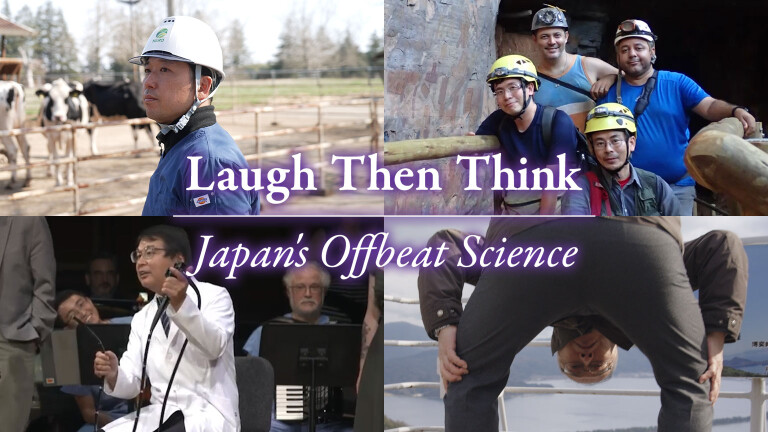
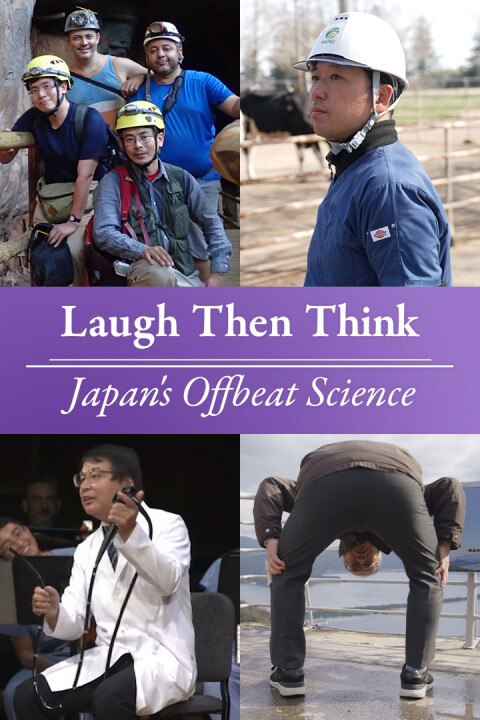
Japan boasts a deep roster of Ig Nobel Prize winners, fostered by a research culture that embraces unconventional thinkers. Meet the offbeat scientists whose research makes you laugh ... then think.
Our new TV program helps you learn about Japan and the Japanese language through simple and easy Japanese news. You will learn not only Japanese expressions but also the latest situation of Japan.
In this episode revealing the start of a famous Japanese game series, we journey into the origin of the legendary RPG "Final Fantasy" by meeting its creators.
This is an educational program with a new approach, teaching the basics of mathematics through everyday problem-solving situations in a comedy-drama style. The main character is Barky, a dog that works in a “math police office”. Numbler, the comic villain, misguides people into making common mathematical errors in their daily activities. Barky and his fellow human “math police” officers solve the problems in creative and logical ways. The entertaining format will help elementary school children discover that “math is fun”.
With 70% of its land covered by mountains, Japan is a paradise for mountain climbers! Let's go enjoy the magnificent views and experience the unique hiking culture.
Eighty years ago, upon facing the tremendous force of the atomic bomb, Truman, scientists, and citizens voiced their remorse and struggle in letters. What messages do these voices carry for us today?
The challenges and struggles of women whose lives have been affected by factors like war or poverty are chronicled as they attend AUW in Bangladesh to gain education to become new leaders in society.
"Listen to the Earth" is a disaster prevention series where children and adults alike are encouraged to give serious thought to the topic. Japan is often struck by various natural disasters, with many people having lost their lives in the Great Hanshin and Great East Japan Earthquakes. Both children and adults alike should consider how to protect themselves in such disasters by understanding how these natural disasters occur, and practice preventive measures. This series aims to foster correct understanding of disasters by demonstrating the damage they can cause, and how they occur in the first place. The audience can consider what measures to take to protect themselves and their family if they are ever in a disaster situation while learning from specialists and taking part in quizzes.
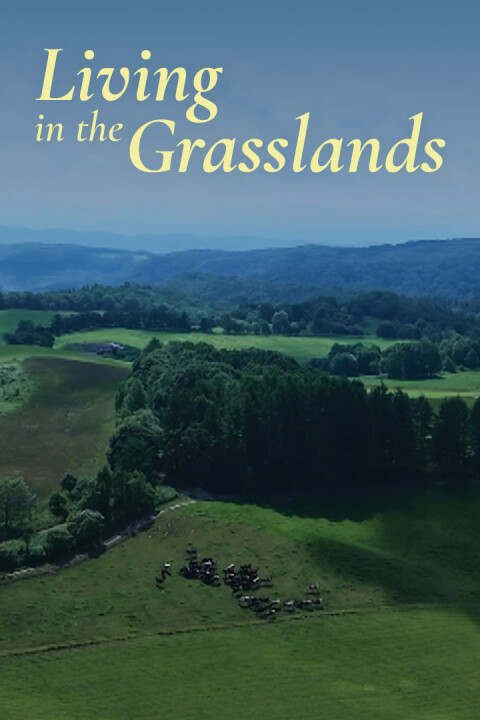
Can humans and nature coexist? Yuji, a pioneering pasture-based dairy farmer, spent his life answering that question, stewarding vast grasslands. As he battles cancer, he passes the baton to his son.
The 2011 earthquake in northeastern Japan profoundly affected the lives of the local government officials involved in the response. For the first time, many of them are sharing their stories.
Redevelopment plans mean that the last building in Lot 1000 in central Sapporo must be demolished. We learn about the past, present, and future of this spot, exploring its centuries-long history.
14 years ago, Hasegawa Kazuo was diagnosed with lung cancer. He recounts his battle with stage four cancer, and his mission to change how patients receive care.
Mahathir Mohamad turns 100. After a lifetime standing against ethnic division, colonial-era inequality, and global headwinds, what legacy does Malaysia's most enduring leader hope to leave behind?
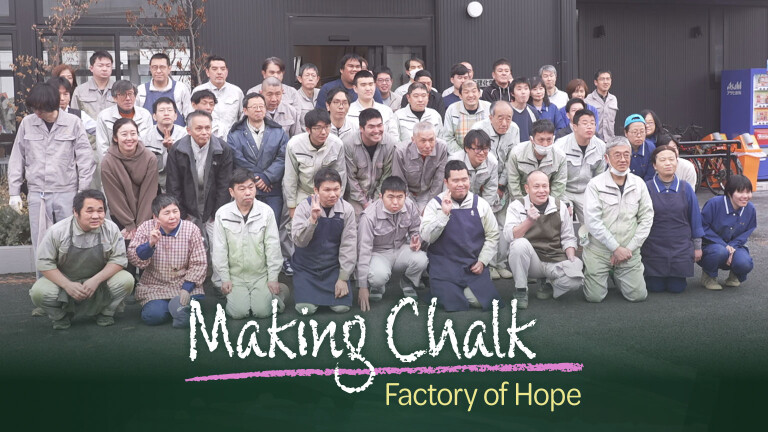
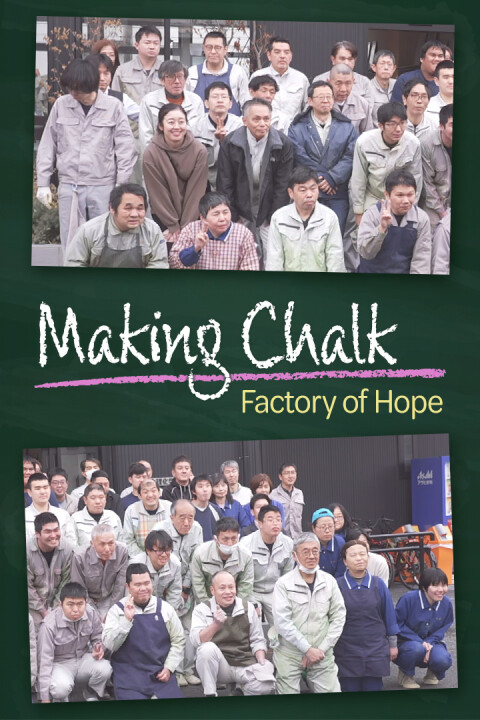
At this local chalk factory in Japan, 69 of the 96 employees have intellectual disabilities. As veteran workers prepare to retire, they pass on skills and encouragement to the next generation.
Manga, where drama is created with just the tip of a pen. In this program, we show you where manga is made — usually off-limits to the public — and explore the craft.
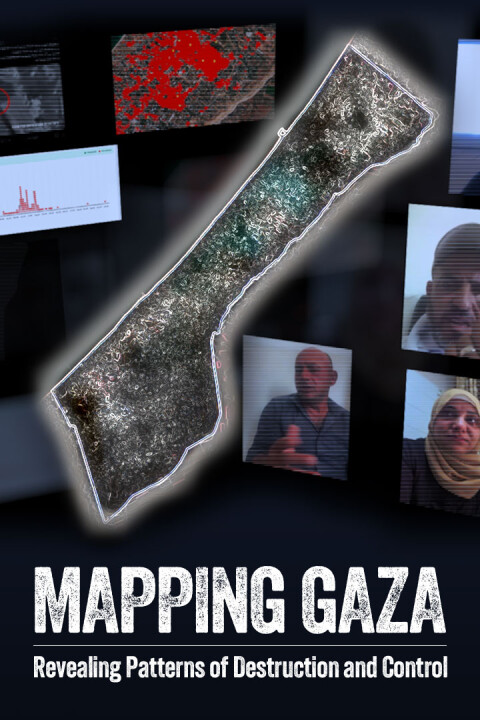
Israeli strikes continue in Gaza. Using maps based on satellite imagery, open-source intelligence, and testimony, we reveal the full extent of destruction and examine where the occupation is heading.
Historic capitals in the Kansai region are home to a wealth of national treasures and masterpieces. Discover an array of artworks inspired by Buddhism, international trade, or the nobility.
Traditional festivals called matsuri are found all over Japan. In this series, we present diverse matsuri and the preparations leading up to them. Each matsuri presents a new face of local Japan.
After the death of her beloved husband, cooking expert Kurihara Harumi began looking for ways to deal with her grief. Now she works on "meals for one" recipes to help people cope with living alone.
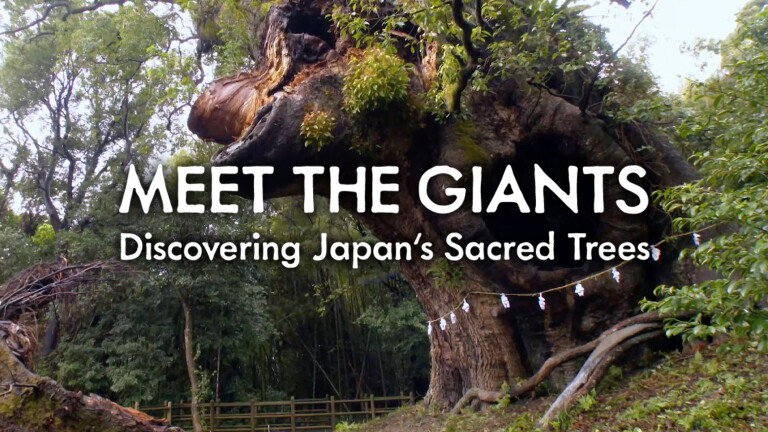
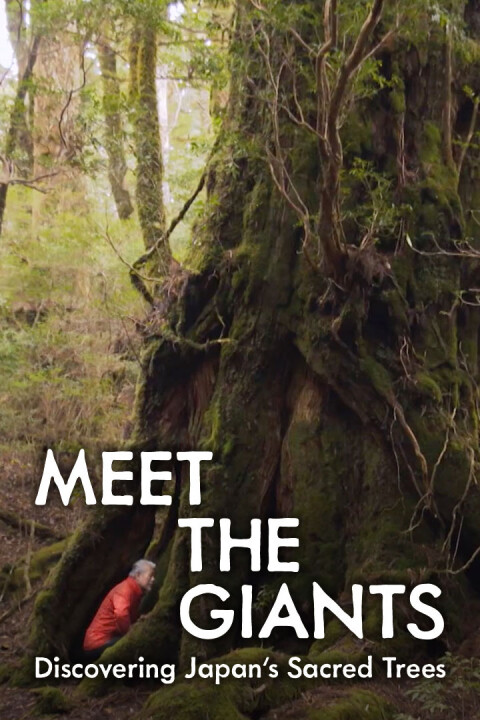
Journey across Japan to discover its many giant trees. Some of these majestic arboreal colossi are over 1,000 years old and have been revered as sacred protectors of local communities and cultures.
PORNOGRAFFITTI make a song for NHK Hiroshima to convey efforts for peace 80 years from the atomic bombing. We cover their struggle, from meeting survivors who inspire the lyrics to recording the song.
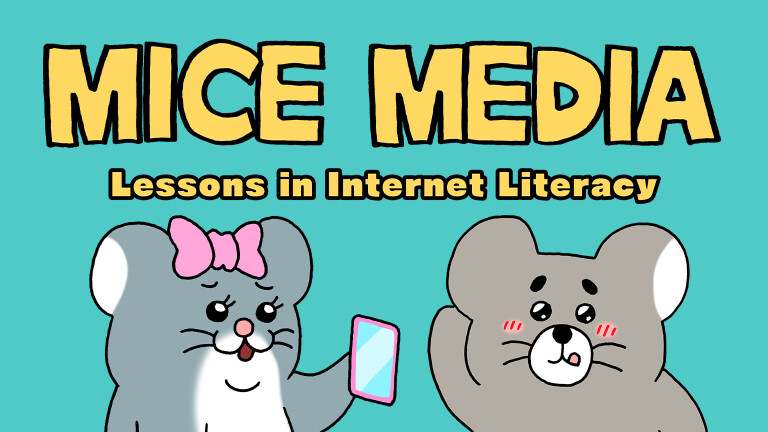
A family of mice navigate the treacherous world of online information in MICE MEDIA: Lessons in Internet Literacy. The father can't help but believe information he finds on his smartphone, and each time, his daughter must step in and teach him about the traps of the internet and social media. This five-minute educational comedy helps viewers learn the essentials of internet literacy through a quirky and lovable father-daughter duo.
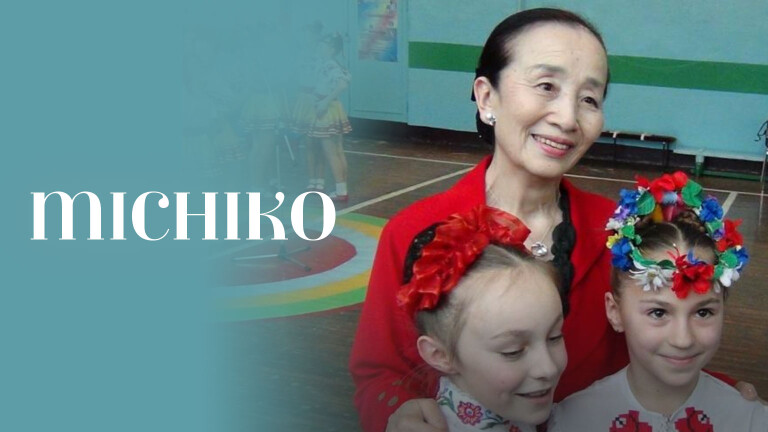
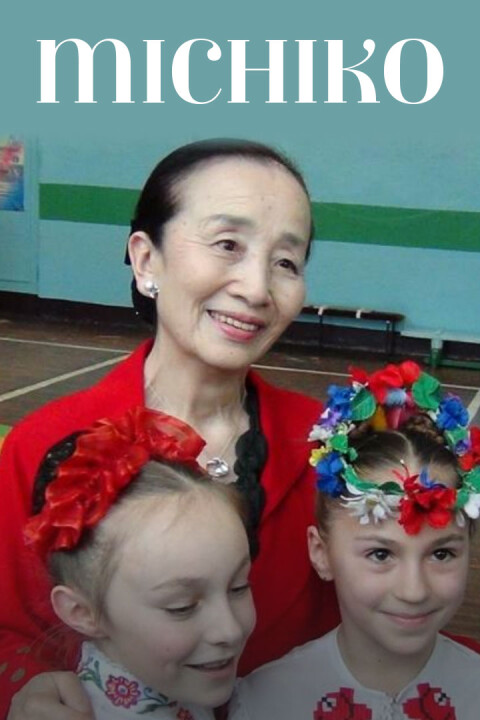
Takao Michiko devoted 50 years to bridging Japan and Ukraine through ballet. She and her Kyiv-based son drove vital projects despite the war. Defying the sirens, ensuring the curtain never falls...
The Mikoda Morning Market has been known as "Morioka's kitchen" for almost 50 years. But it is not only the fresh produce that warms the hearts of customers even on chilly mornings.
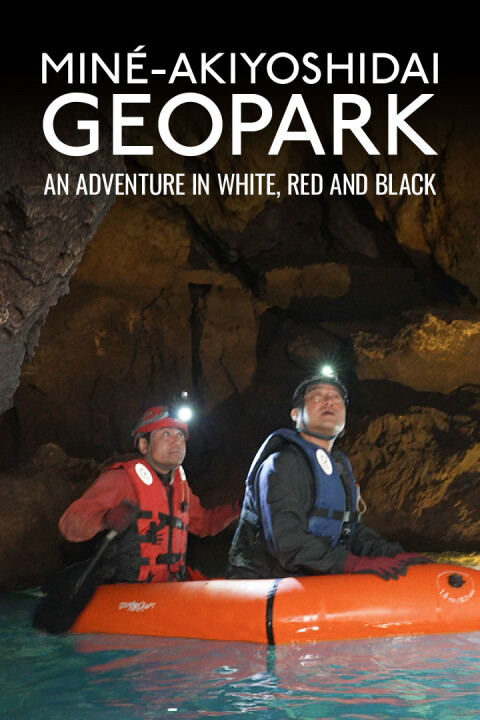
We explore the Miné-Akiyoshidai Geopark to solve its tricolored riddle: WHITE in an off-limits cave, RED, a material that built a historical treasure, and BLACK, which powered Japan's modernization.
This program employs "mitateru," a Japanese technique, to inspire children's imagination by encouraging them to view objects differently and develop their unique perspectives and creativity.
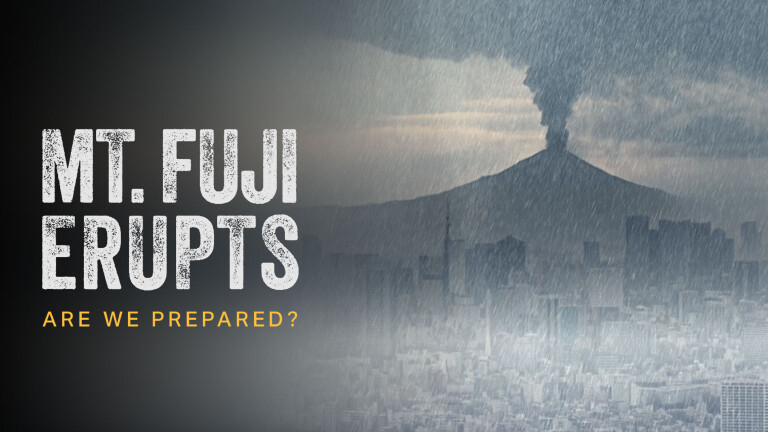
The eruption of Mt. Fuji could spew 490 million cubic meters of ash over a wide area, including Tokyo. CG and dramatization, based on the latest scientific research, highlight the potential risks.
Many parents who have a history of abuse have been saved by a unique community. It is called Muginoko Village, which helps children with developmental disabilities and their parents to grow together.
Mario traces the life of his grandfather, one of the "Japanese holdouts" that stayed in Indonesia after the Second World War. What did he do during that time, and why did he decide to stay?
NHK WORLD JAPAN has introduced over 100 foreigners working in Japan. We reexamine some of the best stories to see how these hardworking residents are changing Japanese society.
Pianos are placed in airports, stations and on street corners around the world for anyone to play. Join us in unraveling the life stories of performers through the eyes of fixed cameras.
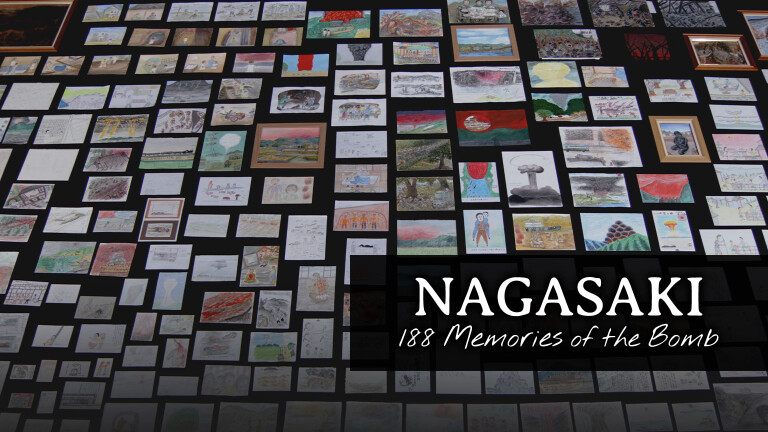
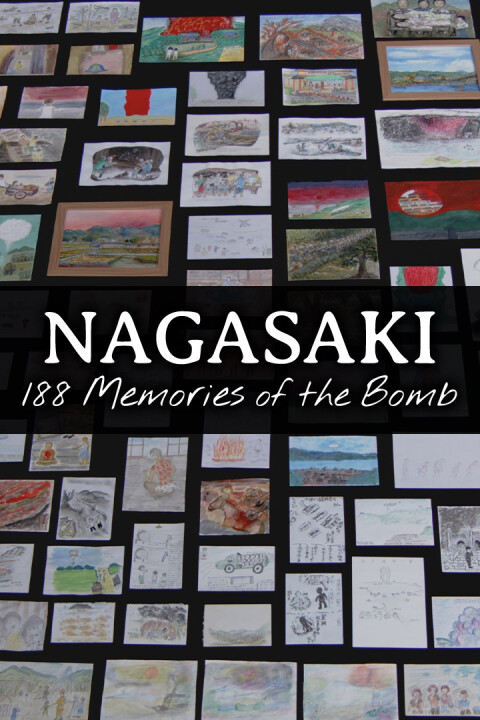
In 2021, 76 years after the destructive power of the atom bomb was unleashed on the city of Nagasaki, NHK and the Nagasaki Atomic Bomb Museum asked survivors to create pictures of their memories of the catastrophic event. With limited records existing of the bombing's immediate aftermath, the hope was that survivors' handcrafted depictions of what they witnessed would help ensure the horrors of nuclear war were not forgotten. For many though, it presented an opportunity to finally open up about the traumatic experiences they had been silently carrying all their lives.
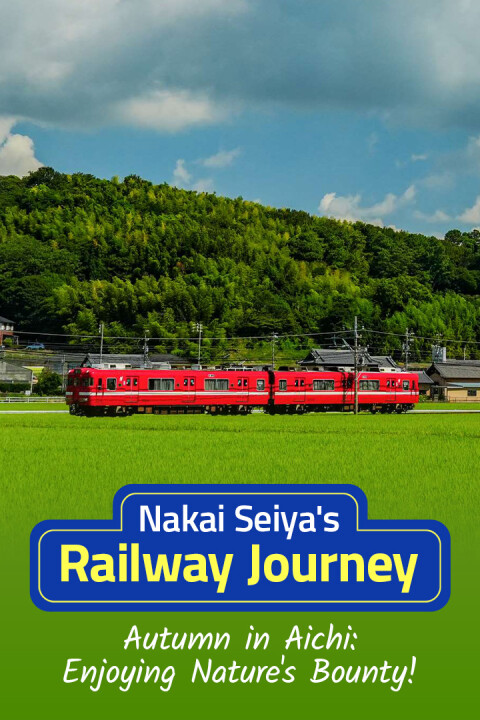
Photographer Nakai Seiya travels three of Aichi's local railroads, capturing autumn scenery, a surprise steam locomotive, and local products along the way. Join us on a marvelous railway journey!
Japan has 34 national parks. Rich in diverse natural attractions, they've been protected by those who call it home and are symbols of Japan's bond with nature.
From manga and anime to music, food, and design, Japanese culture has gained popularity everywhere you look. In the new series NEO-JAPONISM, we explore locations around the world where Japanese culture thrives and connect with local people to hear their stories. We also examine Japan’s past to uncover the origins of the cultural wave that has captivated the world.
We follow the tense scenes between Japan and the U.S. in the wake of the Fukushima nuclear disaster. Our interviews from both sides reveal Japan's lack of preparedness in a nuclear emergency.
Ninja are now seen in popular media around the world. But as their profile rises, their reality gets muddied amid legends and fantasies. The truth about authentic ninja lies unknown, shrouded in mystery. This program carefully examines the fighting skills and tools used by actual ninja, and conducts experiments to determine the "Ninja Truth".
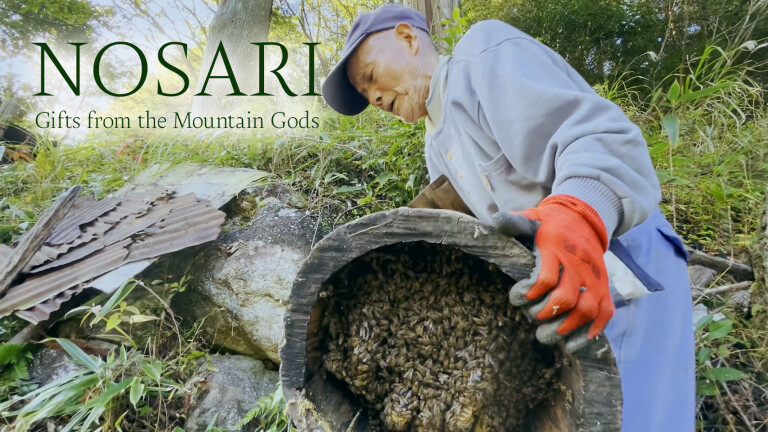
In Shiiba village, people believe that everything, good or bad, is "Nosari," a gift from the gods. This is a year-long record of mountain life that embodies the essence of traditional Japan.
The nuns of Otowasan Kannonji Temple are cooking up a storm. They invite us inside their kitchen and show us how to prepare tasty delicacies from their seasonal cookbook.
Deep in the mountains of Nara Prefecture lies Otowasan Kannonji Temple. We learn about daily life at the temple by following the nuns as they prepare for seasonal events based on the solar calendar.
Introduces the current state of the culturally unique, nature-rich, and increasingly cosmopolitan Okinawa prefecture, which consists of Japan's westernmost islands.
The global population has exceeded 8 billion. Extreme weather events are common occurrences. Conflict continues unchecked. The old systems and institutions, like capitalism and democracy, are reaching crisis points. The world is on the edge. This series examines our current state of turmoil.
Embark on a series of journeys through the skies over Japan. Fly to airports nationwide and enjoy breathtaking views from the airplane window. Experience the unique seasonal beauty of the long stretching nation's southern coral reefs, vivid autumn foliage, Mt. Fuji at sunset and sparkling cityscapes. Upon arrival at each location, expert local airport staff will introduce must-see attractions, exquisite cuisine and more. Also gain a glimpse about the jobs of pilots and cabin crew.
A 5-minute documentary series unraveling the diversity of Japanese society based on statistical data. Each episode starts with the line "one out of every Japanese is...," focusing on a certain demographic.
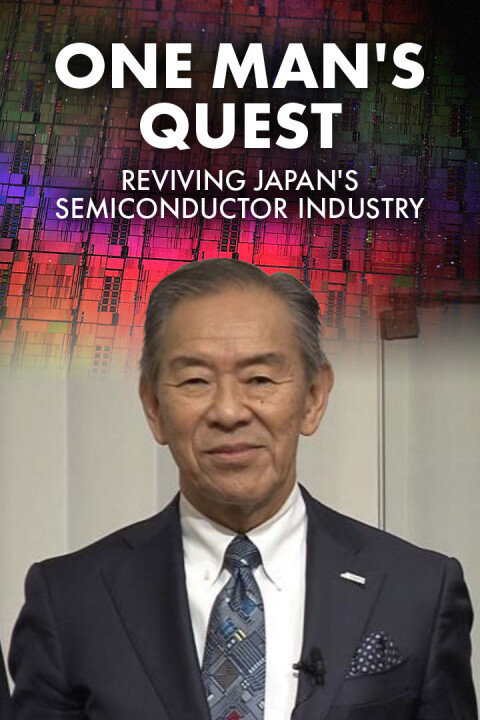
A Japanese entrepreneur is on a mission: reviving Japan's semiconductor industry. With over ten billion dollars of tax money at stake, he races for rapid innovation.
First held in 1975, Comiket has long shaped Japan's creative culture from manga and anime to games and cosplay. The committee, exhibitors, volunteers, fans, and cosplayers share their devotion to it.
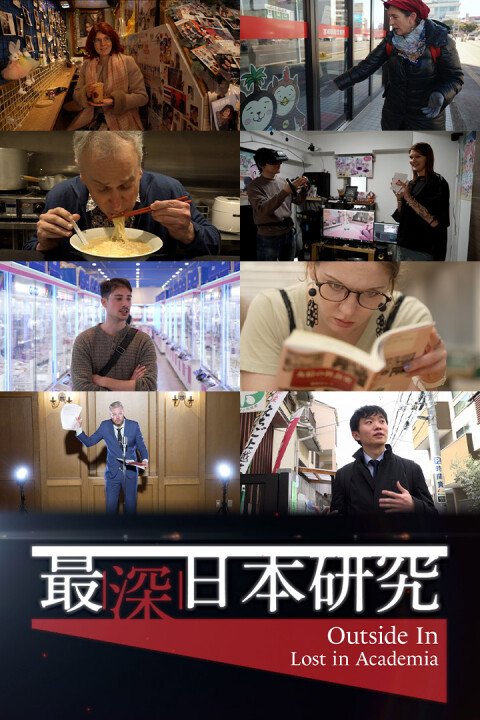
Japanese culture is in the global spotlight like never before. Dive into the work of international scholars exploring Japan in bold, original ways, uncovering unique perspectives and deep insights.
Eight decades since the end of World War Two, conflict still plagues humanity. But some people are hopeful we can avoid a return to our darkest days. NHK WORLD-JAPAN is compiling their stories as part of a new series, "Passing the Torch of Peace."
Zookeeper Takaichi Atsuhiro has cared for a polar bear named Peace since she was a cub, including through her battle with epilepsy. We take a look at the ups and downs of their 25 years together.
Gion, a prestigious entertainment quarter in Kyoto home to many geiko and maiko, was hit hard by the COVID-19 pandemic. All hopes rest on the revival of the Miyako Odori, a large-scale performance.
Ishikawa Naoki has climbed all 14 of the world's highest summits. His camera has captured the raw beauty of the land and the people. This is a story of one man's pursuit of a life beyond the ordinary.
Okinawa, Japan. Momoko loved the piano and attended a school that had one. Then the war arrived and she was drafted to work in an army hospital. Could she survive the war through the power of music?
A century ago, "picture brides" sailed to the U.S. to marry Japanese immigrant men seen only in a photo. The story of three generations' journeys in America with newly uncovered audio tapes. Featuring singer songwriter Hana Hope.
A taxi is an unusual place. A fleeting moment, just you and the driver. Uncover the true faces of cities worldwide from a taxi window with the help of local drivers in this documentary style travelog.
In this short animation, Luna, a girl who is uncomfortable with hospitals, medicine and injections, comes to understand the value of medicine via the thrilling explanations of a mysterious doctor.
There are many unsung heroes in Japan. These ordinary individuals worked on innovative projects that ended up shaping Japan after the country's economic bubble burst in the 1990s. This documentary series brings to life the passion and courage of those who made history happen.
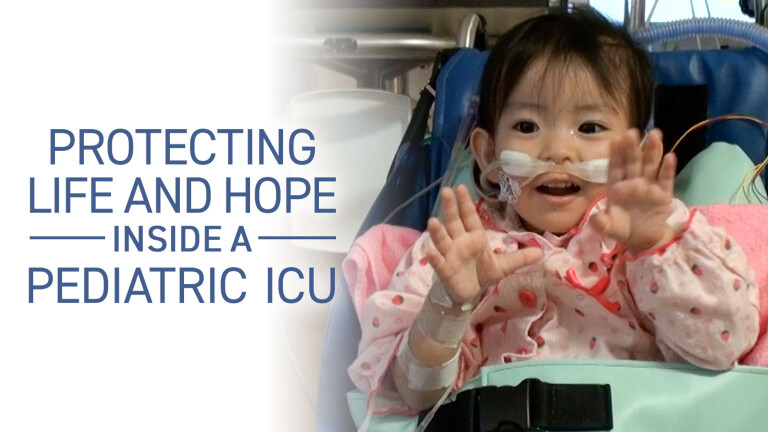
Inside Japan's largest pediatric ICU, critically ill children fight for survival while families face life-or-death decisions. This is a six-month record of hope, struggle, and ethical dilemmas.
Is quantum entanglement real, or just a misunderstanding? The question confounded Einstein and ruined the lives of many physicists. This is the story of the 100-year mystery that changed physics.
Clothes can spark joy, but mass production has heavy environmental costs and clothing waste is a major, growing problem. Japanese firms and designers are taking up new projects to tackle the system.
A winter journey on the newly built Taklamakan Desert railroad traces the path of the Silk Road. The line reveals the descendants of ancient cultures, and brings changes to local communities.
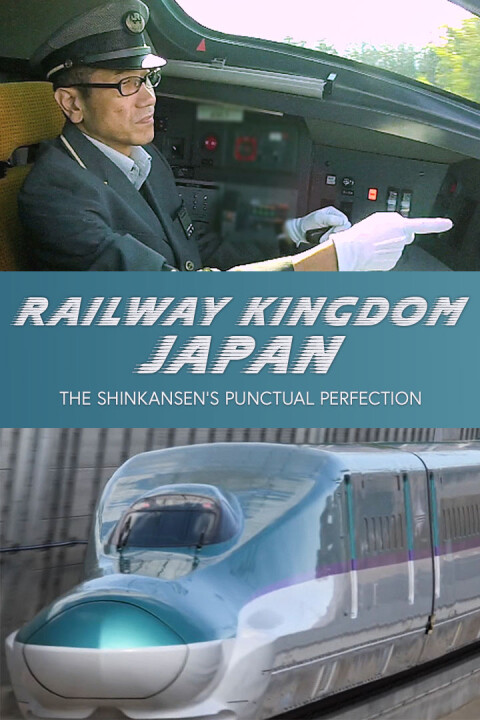
The shinkansen: world-renowned for exceptional on-time performance. We explore the highly skilled drivers and equipment that make it possible, through history and into a future of self-driving trains.
Japanese American Takeshi Furumoto, born in an incarceration camp and raised in Hiroshima after the atomic bombing, fought in the Vietnam War. He travels in search of closure to his complicated past.
Ramen is a savory combination of umami-packed broth and perfectly cooked noodles. This program offers an encyclopedic view of this delectable dish, taking you on a journey across Japan to discover ever-evolving local variations. Join us as we explore a tapestry of local customs and food culture through the lens of ramen.
This program uses dramatic readings in English to introduce short stories by exceptional storytellers who have big followings in Japan. The stories make the culture and spirit of Japan accessible through imaginative drawings and animations interspersed between the readings like storybook illustrations.
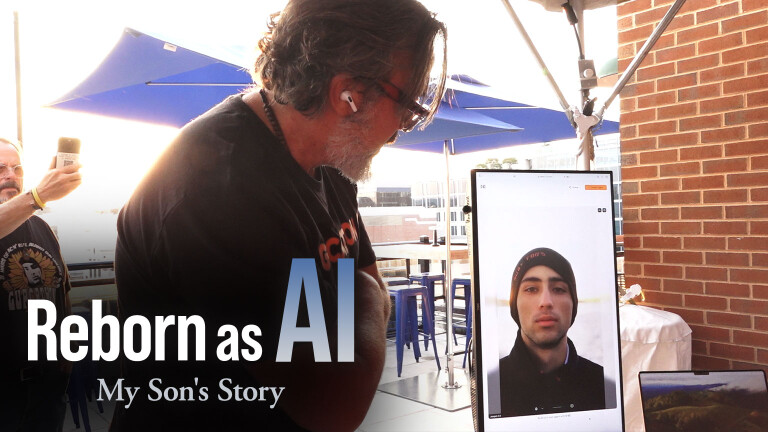
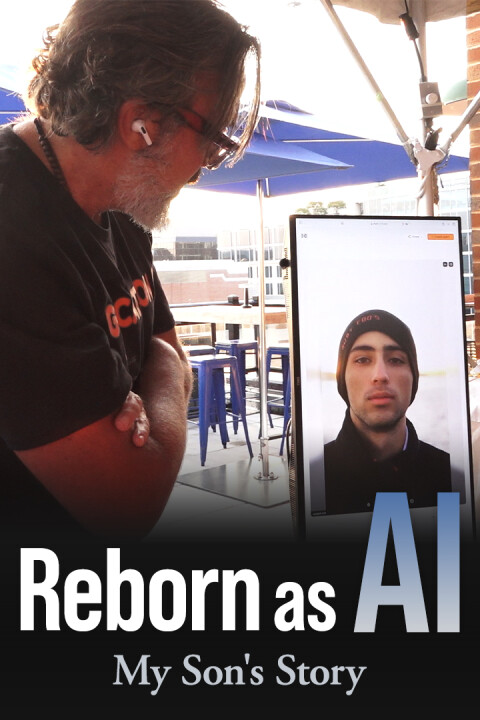
After an American high school student loses his life in a mass shooting, his parents use AI to create an avatar of him, both to speak out against gun violence and to help them recover from the trauma.
Japan has around 3,000 natural onsen, and the more out-of-the-way ones are the most intriguing. A short train trip to some of Japan's more remote onsen can take you to a whole, different world.
Cameroonian manga creator Hoshino Rene meets youths with foreign roots who live in Japan. Getting insight into their lives, he turns their experiences, struggles, successes and goals into manga.
Yamabushi are religious ascetics who undergo rigorous training in the mountains. Their practices were outlawed 150 years ago. Now, one adherent is attempting to breathe new life into this tradition.
13 years after the 2011 Great East Japan Earthquake and Tsunami, a stage race is held on the coast of Iwate Prefecture, covering 130km in 3 days. We follow the runners as they learn about the area's recovery.
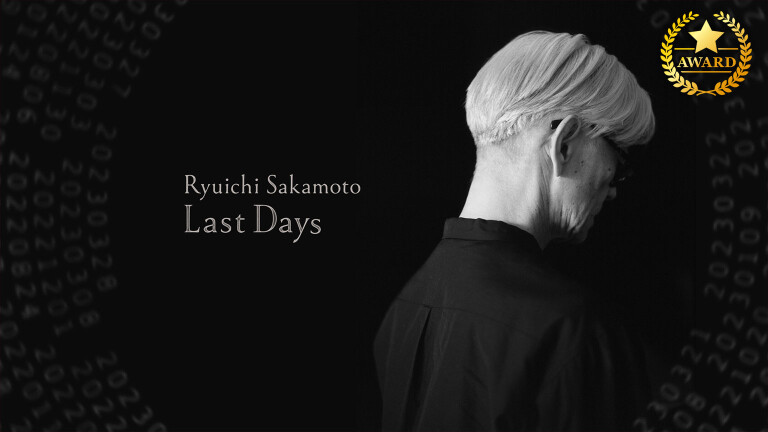
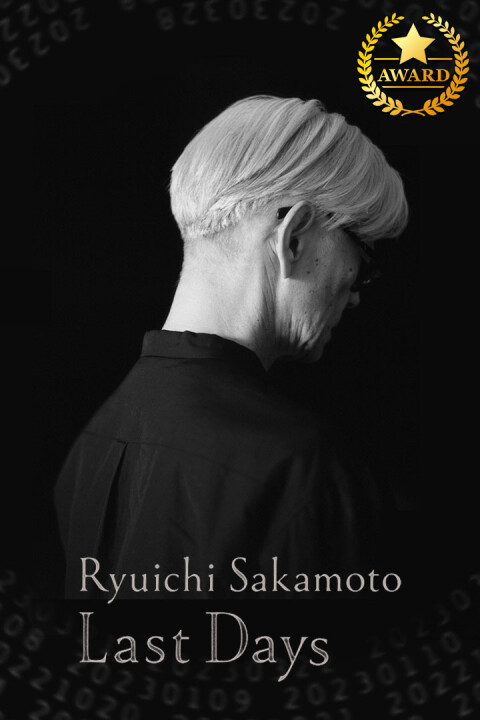
Oscar-winning composer Ryuichi Sakamoto died in March 2023. With diaries and private footage shared by his family, this documentary follows how he faced death in his final days.
Samurai lords used to live in castles with majestic stone walls. Today only a handful of craftsmen can build walls in the traditional way. One such crafstman is working in an unusual place - the U.S.
Join chef Kogawa Nobuko and her husband Makoto as they take us on a culinary journey through the seasons featuring traditional recipes unique to the mountainous region of Hida Takayama in Gifu Prefecture.
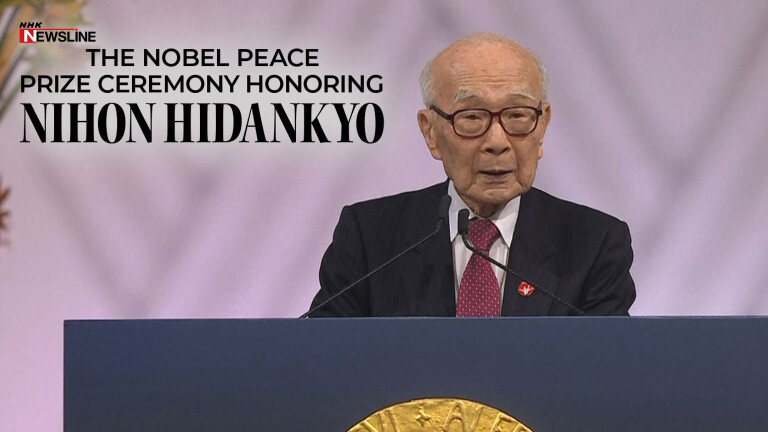
A look at the history of Nihon Hidankyo - the Japan Confederation of A- and H-Bomb Sufferers Organizations - from the group's inception to its reception of the 2024 Nobel Peace Prize.
Welcome to the poppiest music school on the planet: SCHOOL OF J-POP! "Japanese music is wild, right?!" New York-based comedian Naomi Watanabe joins the class as our student. Class by class, we unpack the culture and history behind J-POP for beginners everywhere, in a lesson format that is pure pop from start to finish.
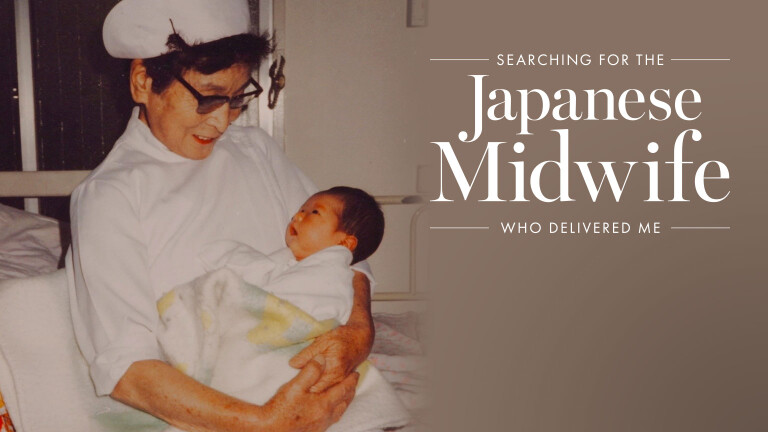
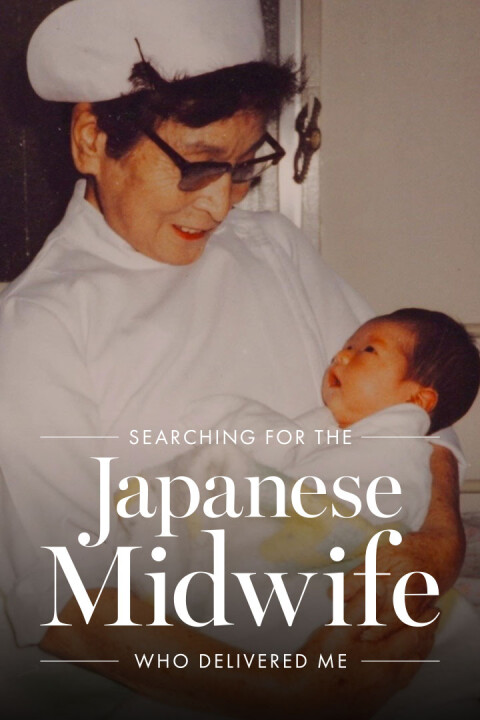
Chinese journalist Kou Aizhe spent 14 years searching for a Japanese midwife who delivered 10,000 infants in postwar China, with him among them. His work uncovered the tragic past of the heroic woman.
Who is the boy who waits stoically to cremate his dead brother in Nagasaki? The search for his identity continues, as the iconic image has come to symbolize the fate of "atomic-bomb orphans."
Some 500 Japanese high school students have called for nuclear-arms abolition as peace ambassadors over the past 25 years. We meet some of these young people striving for peace.
Creating the future together. Inspiring stories of projects by Japanese people working with communities in developing countries with new ideas and efforts to help solve issues.
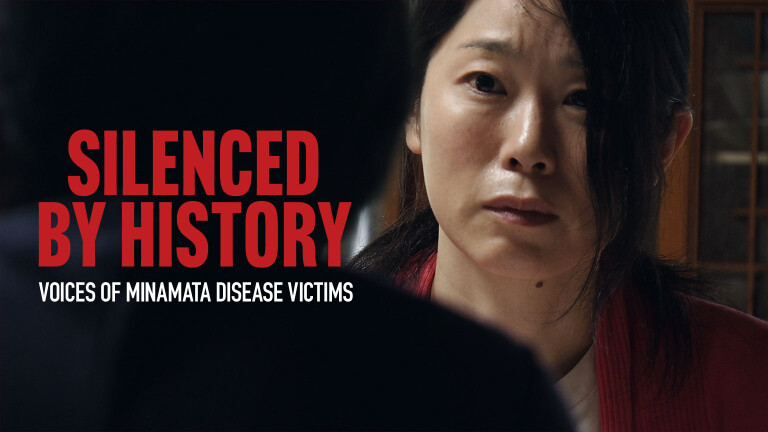
Sakamoto Shinobu was poisoned by mercury while in her mother's womb and has been suffering from Minamata disease since birth. We look back on the life of 68-year-old Shinobu and listen to her message.
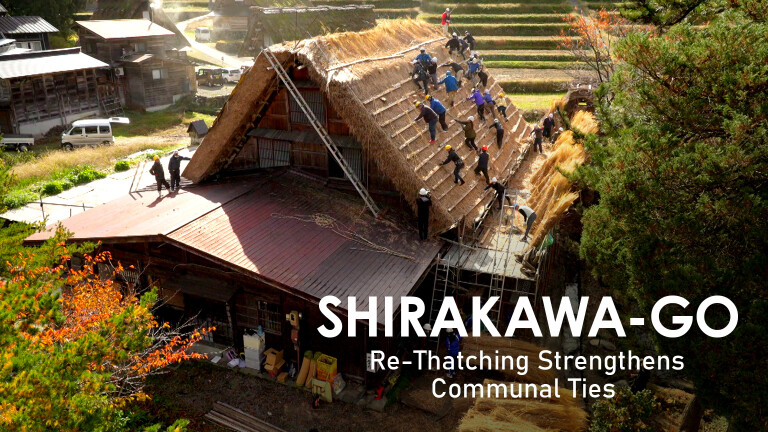
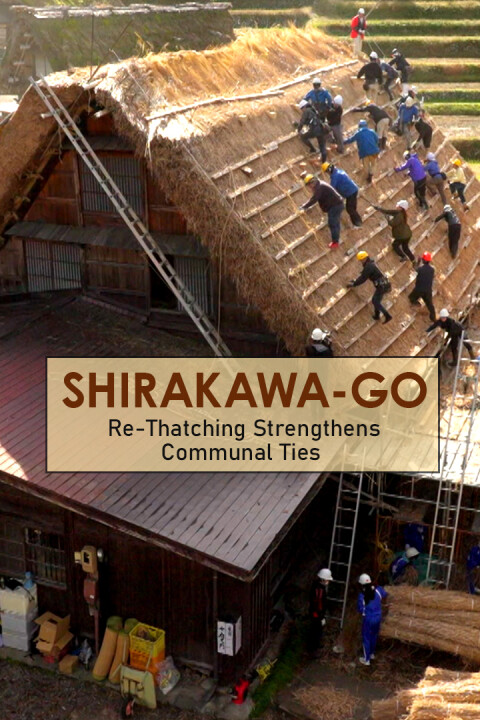
The traditional thatched roofs of World Heritage Site Shirakawa-go. 30 years since its recognition, explore "yui," the culture of mutual aid which maintains the local community through the seasons.
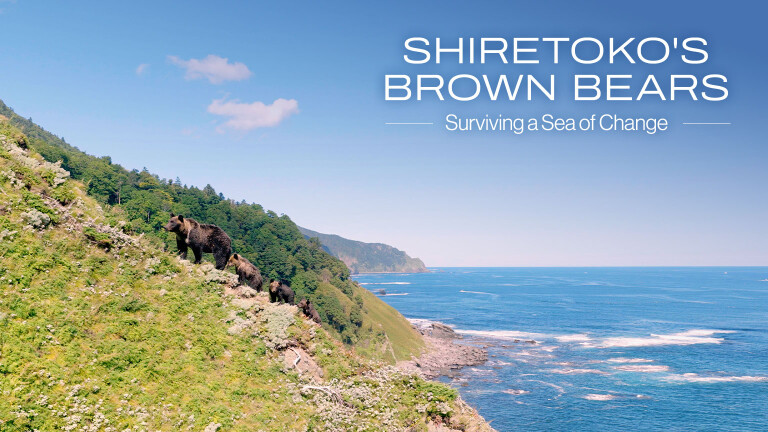
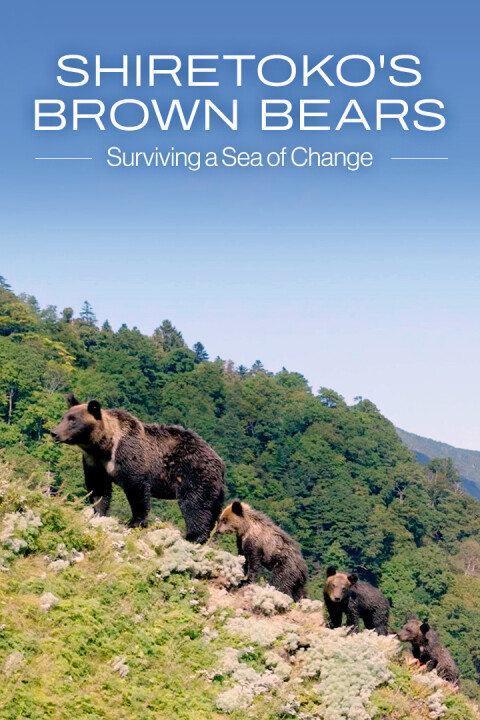
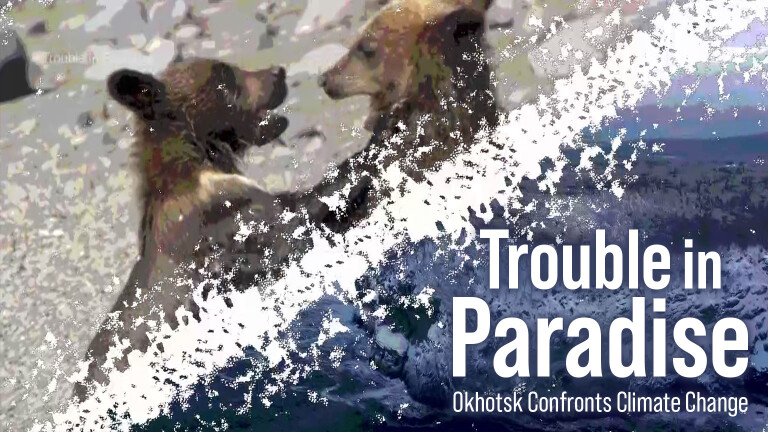
Climate change is transforming Shiretoko, Hokkaido. As sea ice declines and key food sources disappear, brown bears are being forced to adapt. High-resolution footage reveals a shifting ecosystem.
A new study has shed light on the true extent of the suffering caused by Minamata disease. This program follows the efforts of those trying to give voice to the overlooked victims of Minamata.
Nagasaki after the atomic bombing transformed US combat artist Ted Gilien. His photos and paintings depicted the strength of the human spirit, and he devoted his life to creating art that opposed war.
In this behind-the-scenes look at an unprecedented production of Shakespeare's comedy, Deaf and hearing actors discover how they can work and learn together to create a special piece.
For 40 years, Small Journeys has been an NHK staple, with each episode featuring a single reporter's expedition to a unique location in Japan. They unveil the captivating scenery and local way of life in their chosen destination. Join us on these individual journeys to find a place that speaks to your heart.
This year saw the end of Sominsai, a unique festival in which loinclothed men plunge into freezing water, are enveloped in smoke, and jostle through the night to grasp a lucky sack as a form of prayer.
Japan - a country of timeless wonder and mystery. The deep spirituality of the Japanese has captured the hearts of many explorers in the past. The journey to uncover the essence of the Japanese spirit, begins.
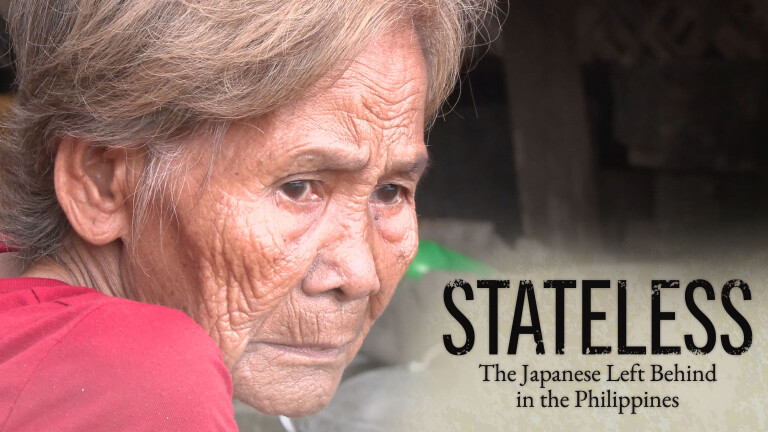
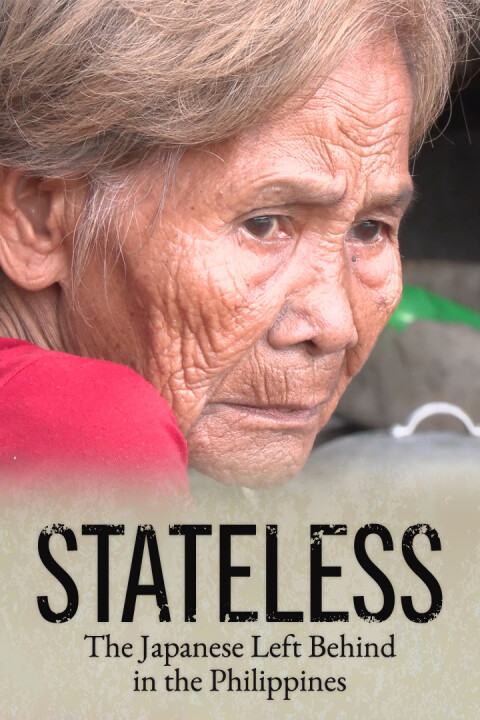
After WWII, thousands of children born to Japanese fathers were left behind in the Philippines. Many became stateless. Eighty years on, 50 descendants are still fighting to be recognized as Japanese.
Apple founder Steve Jobs revolutionized the way we live with his creations. And he loved Japanese culture. Close friends, colleagues and design experts shed new light on how this came to be.
Western-style cuisine is a comfort food the people of Kobe have passed down with love. It gave them strength as they recovered from disaster. What stories lie behind its rich, brown demi-glace sauce?
Story Land introduces traditional folk tales that have been told and loved in Japan for centuries. Leading actors present the stories with the rich expressiveness of one-person performances, enhanced by charming illustrations that bring the tales vividly to life.
This series is aimed at students of the Japanese language and viewers interested in classical literature. It provides easy introductions to celebrated classical works that are commonly included in school textbooks and familiar to virtually all Japanese. The works are first presented in their original classical form to give viewers an immediate feel for the sound of the language. Then they are explained and rendered in modern language, with the worldview they embody introduced through scenic set designs and video imagery. The program is also intended for non-Japanese students residing in Japan who are studying classical Japanese.
Tsuboi Sunao met the US President in Hiroshima in 2016. For the then 92-year-old atomic bomb survivor, the encounter was but one step in a decades-long journey to abolish nuclear weapons.
TAKE TECH is an educational program for children from upper elementary school to high school designed to foster familiarity with everyday technology. The focus is technology we depend on in our daily lives, such as products found in people's homes, information systems and machines. Why were they created, and how do they work? Each episode features one key tech and explains its mechanism and function in an easy-to-understand way.
The young participants of a long-running Japan-South Korea students forum get along even if bilateral ties have sometimes been on choppy waters. We follow the latest gathering in Sapporo.
Learn the principles of programming without even touching a computer in this new-style education program. Unique animated characters assist in the fun and lucid introduction of 5 core programming processes: analysis, combination, generalization, abstraction and simulation.
In a world with 10,000 nuclear weapons and endless conflict, what if an atomic bomb were dropped? This show visualizes the A-bomb's impact through a man's testimony of being exposed in Hiroshima.
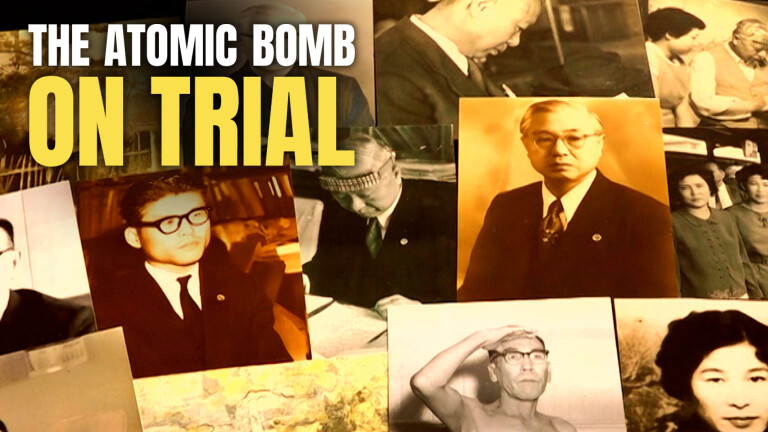
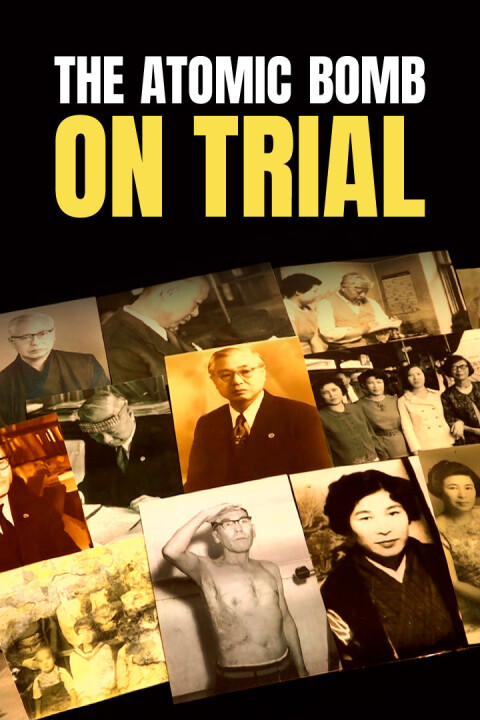
In 1963, a Japanese court ruled that the use of the atomic bomb violated international law. How did the case come about and what is its legacy? Families of the plaintiffs and their lawyer tell the story.
Comedians Reiji and Tsuyoshi of the duo Nakagawake and Suchiko explore the many wonders of Japanese manufacturing. They learn about the latest technology and even try their hand at expert skills. (This program is broadcast in Japan as Tanken Factory.)
When a Japan-based American journalist discovers that a World War II B-29 engine was unearthed from a sacred mountain he embarks on a quest to uncover the fate of the US airmen.
Murasame Tatsumasa, a Swedish-born Japanese niwashi—an expert in garden care—helps us discover a new way to view formal gardens, understand their subtle highlights, and appreciate aspects of Japanese aesthetic identity.
A 27-year-old Japanese mountaineer achieved the feat of crossing a watershed that runs across Hokkaido Prefecture. This documentary chronicles his journey as he confronts the harsh nature and examines his life.
Among the global race for large rocket development, Japan's most advanced rocket has finally taken flight. We look into the year-long battle of the engineers who overcame its initial failure.
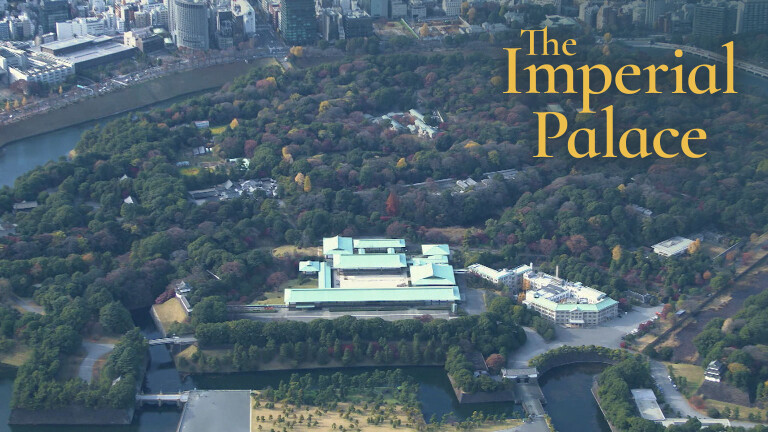
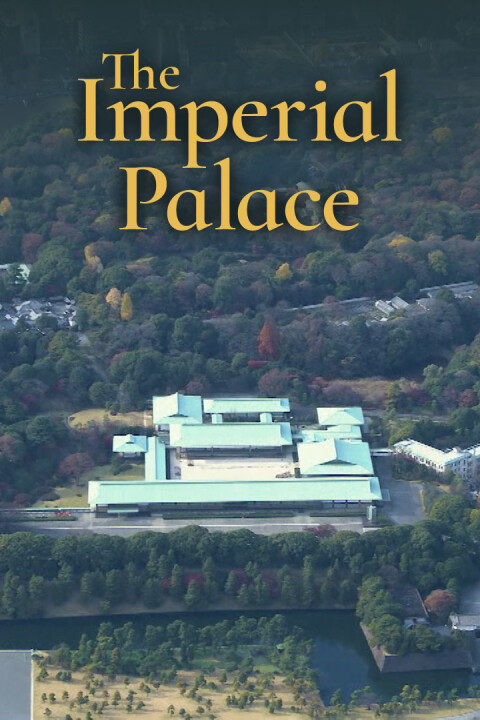
The Imperial Palace of Japan showcases peerless artworks, craftsmanship, and a tradition of thoughtful hospitality. Join us on a journey into a world of supreme aesthetic elegance.
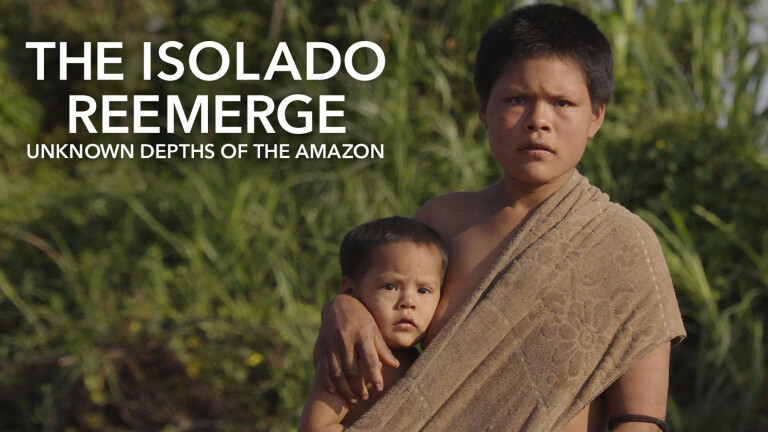
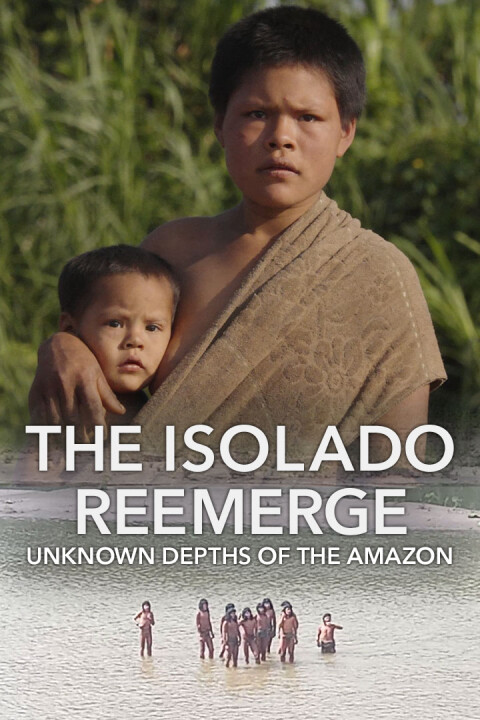
In the heart of the Amazon, the Isolado have reemerged. Astonishing new footage reveals how these uncontacted people have changed over the last decade.
Kyoto, the soul of Japanese culture, is one of the world's best-known tourist destinations. It has many cultural assets and UNESCO-registered World Heritage Sites. But visitors are unaware of the implicit code of behavior that runs below its surface. Without realizing it, many are breaking protocol, but Japanese do not like to draw attention or rebuke them. Take a deep yet comic look at the tacit code that lies behind daily life, and broaden your knowledge and experiences in the ancient capital.
In Japan, many people with dementia leave their homes, wander off, and are never seen again. Now, communities are developing measures to locate the missing and reunite them with their loved ones.
Renowned pianist Lee Kyung-mi uses her talent to foster better ties between Japan and South Korea. We trace her journey, from childhood to sharing the stage with special friends this year in Seoul.
Puppet action show for young children, produced for utilization in moral education classes in schools in Japan. In a distant post-human future where surviving creatures have formed a community, new-breed dinosaur girl Rockie sets out on hilarious adventures with her schoolmates.
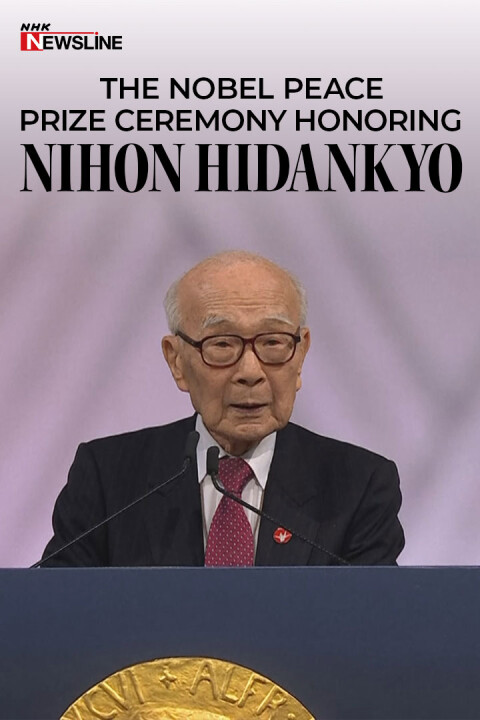
NHK NEWSLINE offered live coverage of the Nobel Peace Prize Ceremony honoring NIHON HIDANKYO, an organization of A-bomb survivors. It featured analysis from experts on nuclear disarmament.
71-year-old diver Fujita Hisao has spent 40 years drawing attention to the beauty of ocean life, particularly the graceful sea lions, which face lethal removal due to their obstruction of fishing nets.
Anthropocene is when human activity started profoundly impacting our planet. Inconvenient truths pile up in some of Indonesia's poorest communities, where "plastic farmers" can barely make ends meet.
Savor Japan's iconic sights on a two-hour condensed course. Ideal for travelers and dreamers alike, we bring you an immersive and thrilling sense of exploration.
The thalidomide poisoning incident of the early 1960s was the first of a series of drug poisoning cases in Japan. We have followed survivors and their ongoing struggles decades after the incident.
Here is the high-resolution movie by Koichi Hozan, a videographer living in Nara Prefecture, with exclusive pieces which a pianist, Mine Kawakami, played on the "Hyakunen (100-year-old) Piano." The light and sound create a poetic video to make you experience each season. Cast (Piano): Mine Kawakami "Yamato-no-Kisetsu," composed by Mine Kawakami
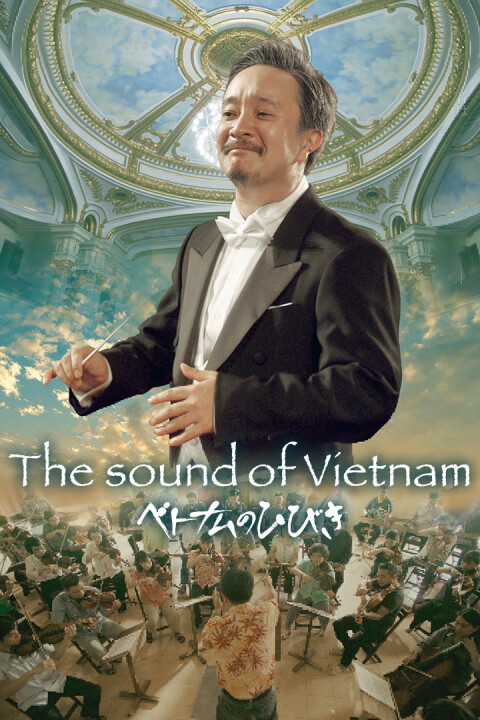
While the Vietnam Symphony Orchestra faces a threat to its survival, a Japanese conductor is chosen to save it! The story's protagonist is a young Japanese conductor, Sakura Kazuo. Following a chance encounter, Kazuo is asked to rebuild the Vietnamese orchestra. With a strong belief to fulfill what he promised, he travels to the country and passionately gives guidance. However, he soon finds himself facing many difficulties.
A home for war orphans was set up in Nagasaki after the bomb. Director Mochida Chiyo became "Mother" to the orphans and nurtured them toward independence, but they faced hard times in postwar Japan.
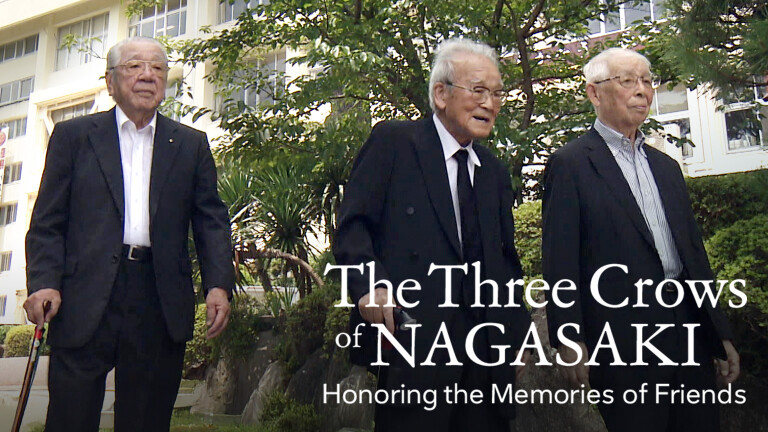
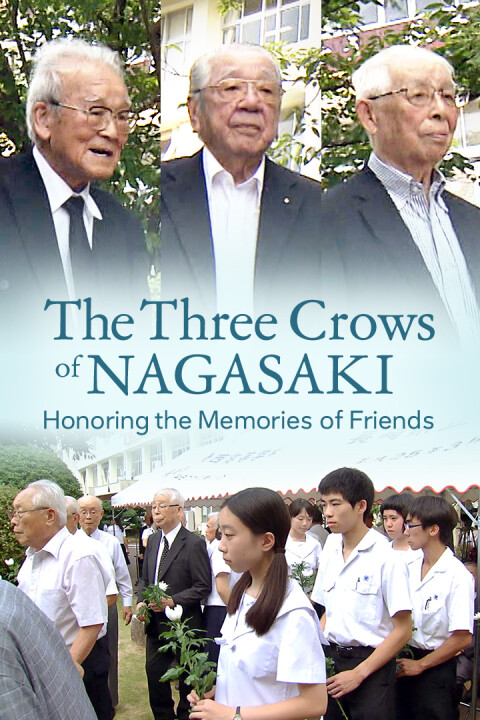
Keiho Junior High School in Nagasaki lost 400 lives to an atomic bomb. Three old core members of the alumni association explore the future of the memorial service, held annually for the past 50 years.
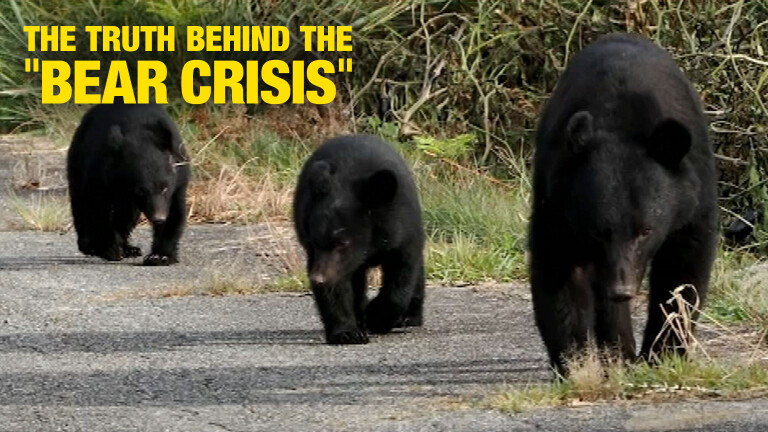
Japan is experiencing the worst case of bear attacks on record. Together with experts, we investigate to reveal bears' changing relationship with humans-and how we can live safely alongside them.
In July 2024, the Supreme Court ruled Japan's defunct Eugenic Protection Law as unconstitutional. We look into why many of the victims who were forcefully sterilized remain silent on their suffering.
Mayuyama Koji is an art restorer who works with antique dealers and museums nationwide. His unique skills allow him to flawlessly restore broken works to their former conditions, earning him the nickname "God Hand." The practice originated from his father in the postwar period, when many antiques would be repaired secretly through underground means. This documentary reveals the details of his techniques, as well as his mission not just to restore art, but to preserve it for generations to come.
In Shenzhen, a city filled with opportunity, equipment dealers anticipate the failure of local businesses brought about by the recession, competing to buy their goods and resell them at a profit.
A popular edutainment show for kids in Japan, featuring the main character Wakey and his friends, who bring interesting facts to make every day more fun. The show opens a "Door to Knowledge," sparking children's curiosity about science, nature, art, history, and more. Packed with exciting segments such as games, dance, live music, cooking, comedy skits, town explorations, and manga, it's loaded with fun sketches and performances that "Wake Up" children's hearts and bodies!
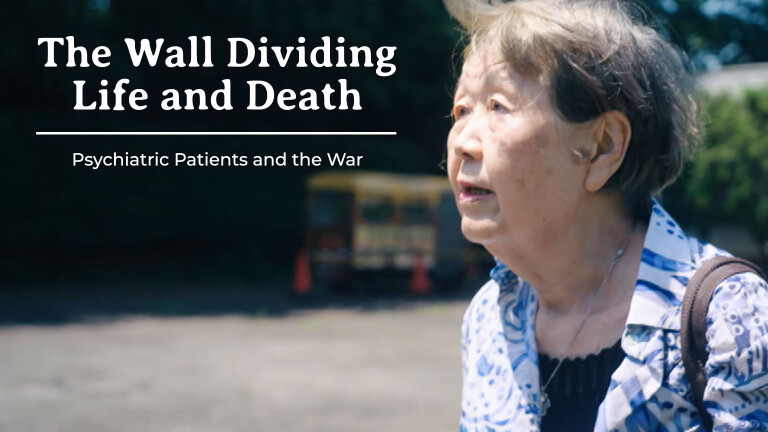
During WWII, countless psychiatric patients in Japan starved to death. Tracing the footsteps of her beloved cousin, a writer sheds light on the hidden wartime struggles behind the hospital walls.
On a hill by the sea in Otsuchi, Iwate Prefecture, stands a disconnected telephone booth. People come from far away to speak with loved ones they have lost. In this series, we hear the stories of people who come to share their feelings.
From natural landscapes to historic architecture representing centuries of cultural development, Japan's World Heritage sites offer a wide range of glimpses into history and the beauty of nature.
What are "words"? What does it mean to communicate? Deaf photographer Saito Harumichi seeks answers as he raises his hearing children and prepares an exhibition reflecting his quest for connection.
Go behind the scenes at one of the world's top piano competitions, where joy, heartbreak, and unexpected miracles unfold as young virtuosos take the stage to embody the music of Chopin.
In 2011, a devastating tsunami and nuclear accident ground Fukushima Prefecture's fishing industry to a halt. NHK followed local fishers for the next 13 years as they struggled to reclaim their sea.
These short documentaries take an intimate look at the lifestyles and culinary passions of people across Japan. Their stories are sure to warm the heart and whet the appetite.
Join us as we revisit the milestones of Japan's long history. We examine various events from the age of the samurai to the modern period against the backdrop of an ever-changing international scene. Come with NHK WORLD-JAPAN on a journey that reveals the truth behind the turning points of the past and allows us to revel in the arts and architecture of heritage sites.
Come on a time-lapse journey bringing you to famous locations across Japan. Rediscover the beauty of Japan as scenes unfold through time-lapse photography. From the ever-changing wonders of nature to the tranquility of a historic temple, we've selected the best sights that Japan has to offer.
All you need is a small desk and musical instruments. NHK is launching a Japanese version of the worldwide phenomenon "tiny desk concerts," originally pioneered by American public broadcaster NPR. Set in the actual offices of NHK, the series will breathe new life into music as artists perform in a setting that is anything but ordinary.
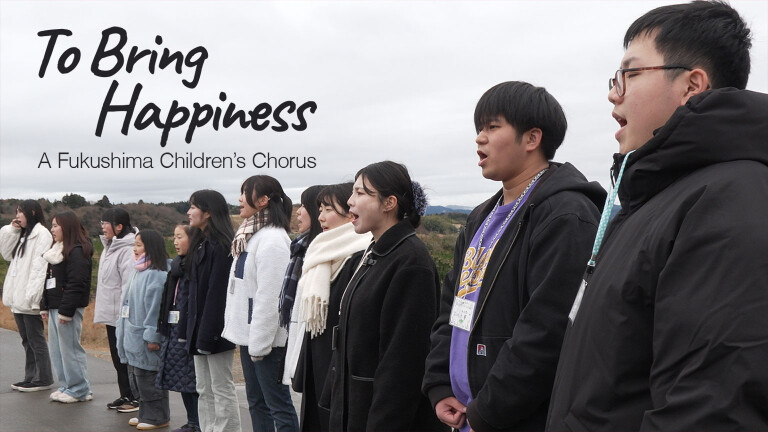
Using the power of song to overcome natural disaster, young Fukushima survivors of the 2011 earthquake have performed "To Bring Happiness," an anthem of the 1995 Hanshin Earthquake, across Japan.
Based on the life of An Katsumasa, a Korean psychiatrist who lived in Japan, this series tells the story of one doctor's capacity for love. When the Great Hanshin Earthquake strikes Japan in January 1995, protagonist An Kazutaka springs into action to care for the mental health of others, even though he is a victim himself. He listens to the concerns of earthquake survivors, empathizes with their pain, and eventually becomes a pioneer researcher of PTSD (Post-Traumatic Stress Disorder) in Japan. An's deep bond with his wife, who stays by his side through many hardships, is also depicted, as are the heartfelt ties he forms with his patients.
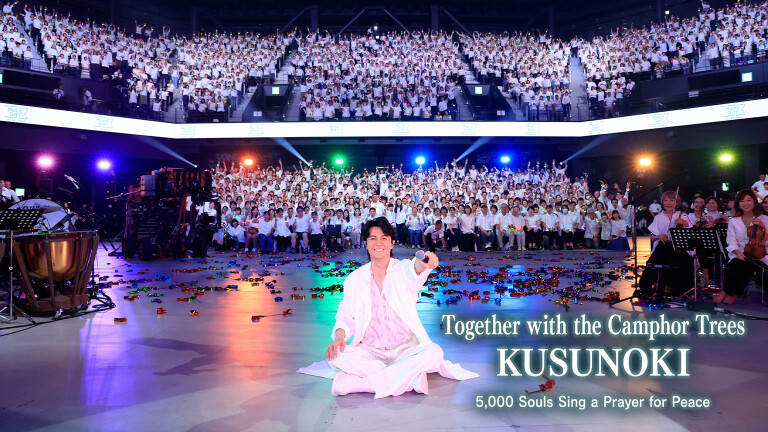
In August, Fukuyama Masaharu sang "KUSUNOKI" with a choir of 5,000 people, sending a prayer for peace from Nagasaki to the world. We look at the song's meaning and how it has touched people's hearts.
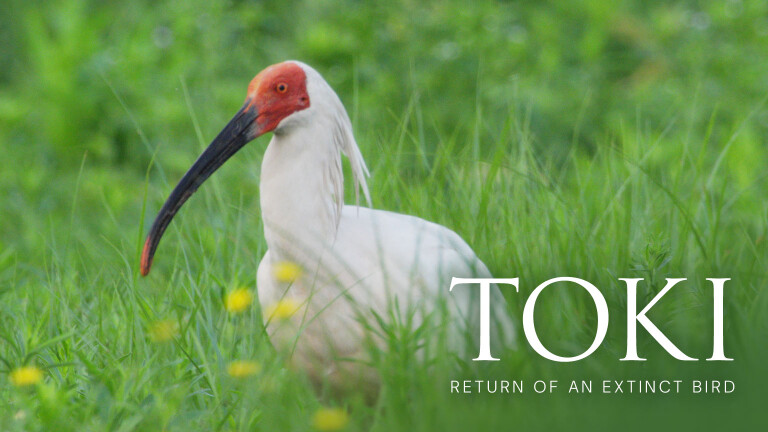
Once extinct in Japan, the toki has been reintroduced. Today, nearly 500 of these magnificent birds live in the wild. Cameras follow them throughout the four seasons, along with their human helpers.
World War II tore apart families of Japanese immigrants in the Philippines. For eight decades, they have been dreaming of being reunited. But time is fast running out.
90 years after the creation of Japan's national parks, we introduce the charms of the Setonaikai, Aso and other natural wonders, which are key to the Nature Positive strategy for the planet.
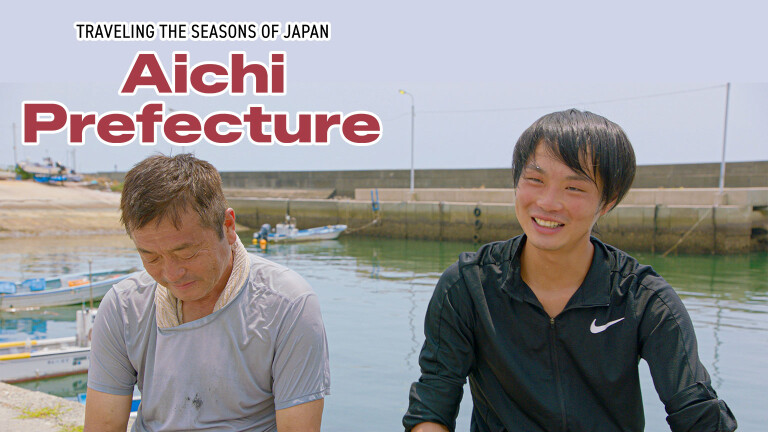
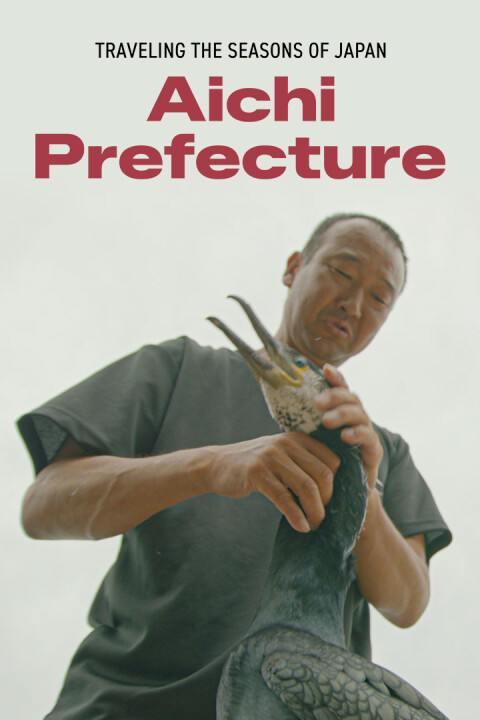
Journey through Aichi's changing seasons with stunning footage filmed over a year, featuring cormorant fishing, all-night festivals, free-diving harvests, and the people preserving local traditions.
"Treasure Box Japan" is a series of programs by local community broadcasters. Get an inside perspective on the region's culture, food and natural surroundings.
Climate change in the Sea of Okhotsk threatens the rich ecosystem of Shiretoko Peninsula. Decreases in sea ice and spawning fish have upset the natural balance and put once common brown bears at risk.
"u&i" is a program that provides an opportunity to learn about and deepen an understanding of minorities, like children with physical and developmental disabilities, and children from a foreign culture. The main character "i" is a so-called "normal" child. With each episode, "i," concerned about "u" with a certain disadvantage, finds themselves in a mysterious world. With the help of fairies, they hear out the problems that their friend is having, and in the process of learning more about them, "i" gains the ability to respect diversity and develop a compassionate heart.
Centuries ago, Tokyo was known as Edo. More than a million people enjoyed life in this small but abundant city. They live on in ukiyo-e woodblock prints. Each episode is a deep dive into a single print, and an exploration of the soul of Old Tokyo. We examine works by artists like Hokusai and Hiroshige not just for their aesthetic and historical value, but for the stories they tell of everyday life. That is how the people of Edo themselves enjoyed this mass-produced medium.
Umami. Every chef and foodie talks about it, and it all starts in Japan. Umami Explored goes to the source: the science of dashi—how kombu kelp and dried bonito are key to its world-renowned flavor.
This series investigates unresolved incidents that occurred in and out of Japan. Sometimes historical, often mysterious and bizarre, these are the cases that shook society and cast shadows over communities. We look at the events’ impact on the present day and the lessons to be learned from them.
Eighty years after the Battle of Saipan, a collection of battlefield interviews with US soldiers has been uncovered. Their voices tell the story of one of the most brutal chapters of the war.
The final stages of World War II... The islands of Okinawa turned into a theater of war the United States military called "hell." The Battle of Okinawa claimed the lives of at least 120,000 islanders. Women and girls were forced in as army cooks or nurses, boys in their mid-teens molded into soldiers... and sent to the frontline. As most records were lost, families are still wondering how their loved ones were mobilized... and what became of them. But recently discovered documents reveal their unknown stories.
After Japan pulled out of World War II, Japanese civilians living on present-day Sakhalin got caught up in 7 days of bloody fighting with Soviet troops. We explore a forgotten tragedy of history.
Presenting a range of useful scientific ways of seeing (viewpoints), this proactive science education program encourages primary and lower secondary school children to discover and investigate the mysteries which puzzle them. In place of passive classroom learning, the children learn both to ask the questions and to find the answers by themselves.
In Japan, "goze" were blind female travelling performers. We look at the lives of those songstresses who, shamisen in hand, travelled throughout Japan, singing their songs to earn a living.
Ethnic Korean filmmaker Yang Yonghi has focused her camera on her family, torn between Japan and North Korea. Her search for identity continues, in a tenuous balance of love, politics, and history.
Many of those who visit a small coffee shop in Kumamoto are dealing with the loss of someone dear to them. In the four years since the café opened, dozens have found comfort there. One woman, after years of fertility treatments, became pregnant at last, only to lose her son to illness soon after his birth. One man lost his daughter to a traffic accident just before she was to graduate from college. And behind the opening of the café itself is also a story of deeply felt loss. In the face of sudden endings through accidents and turns of fate, how can people carry on? This is a story, told through the seasons, of the bonds that coffee creates.
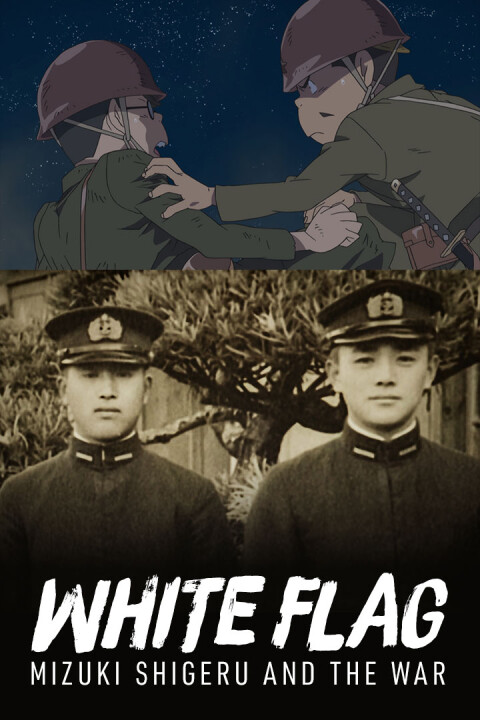
Manga artist Mizuki Shigeru's masterpiece "White Flag" comes to life as an anime. His story was based on a WWII soldier who defied his superiors to protect his men. What truly happened on "Iwo Jima"?
From Wengding Village in Yunnan Province, known as "China's last traditional village," the Wa people were relocated amidst tourism development, causing disruption in the lives of the ethnic minority.
Japanese people were exposed to nuclear radiation in the bombings at the end of World War Two, and US nuclear tests at Bikini Atoll. But the facts about another exposure are only now being revealed.
Thirty years ago, the Great Hanshin-Awaji Earthquake left more than 6,400 people dead. Will we be ready when the next one strikes? We review NHK's footage from the disaster to see how far we've come.
At the top-ranked University of Tokyo, where only 20% of students are female, many women have had their "wings" clipped. Through the university's history, we confront deep-rooted issues in Japanese society.
Fifty years after the Cambodian Genocide, survivors―both victims and those involved in the killings―reflect on how and why Cambodians turned against one another, and on the deep scars left behind.
A remarkable painting was created toward the end of World War II: a 3-meter-wide canvas covered with images of working women. The painting was the work of an all-female team of painters formed in 1944: the Women Artists Service Corps. The painting shows women on the home front as shipbuilders, postal workers, tram drivers—roles traditionally performed by men. The vibrant colors of the piece are in direct contrast to the somber war paintings made by male artists. The burden on men during the war gave women a chance to take on new roles outside of the home. To the prominent female artists involved, it was a perfect chance to showcase their skill. What did the war mean to these women? Photographer Oishi Yoshino zooms in on these artists, delving into a largely untold story of women painting war. (Narrator: Hannah Grace)
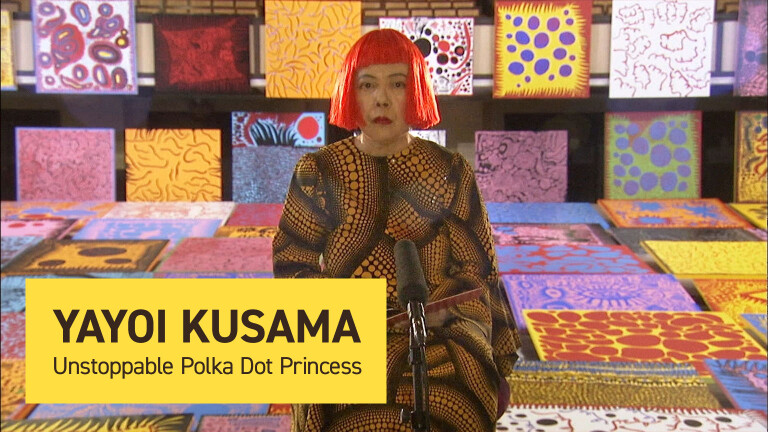
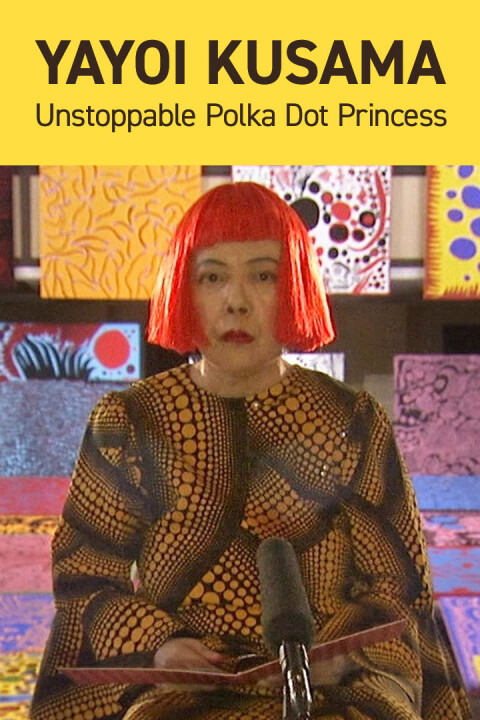
Following the passing of Yayoi Kusama, this special rebroadcast revisits the pioneering artist's extraordinary life and creative vision, celebrating her enduring legacy.
Meet people around Japan who strive for a life without waste under the traditional philosophy of "MOTTAINAI," which values cherishing the things we have.